
Types of Lip Fillers to Consider: Your Guide to Plump, Natural-Looking Lips
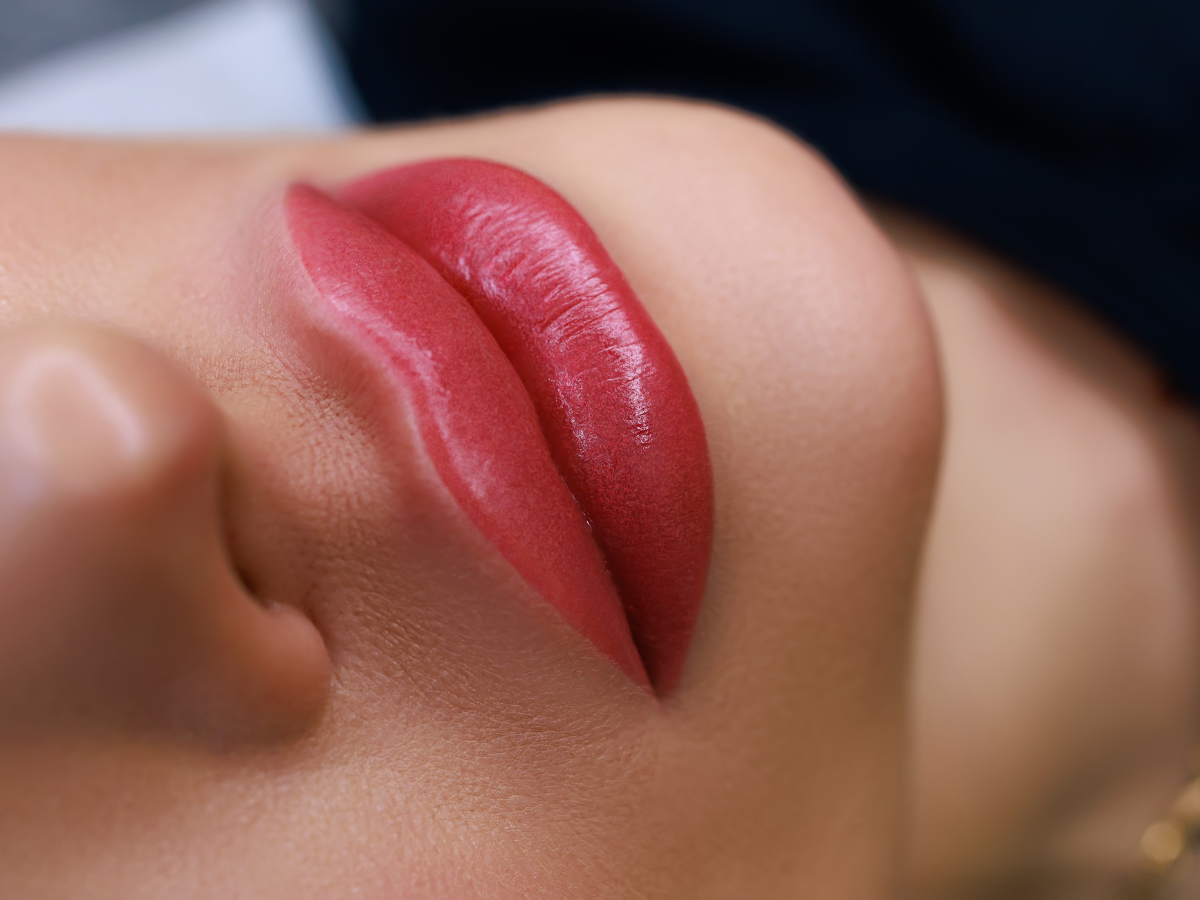
types of lip fillers
Full, balanced, and hydrated lips are one of today’s most requested cosmetic treatments—and for good reason. Lip fillers can enhance shape, restore volume, smooth fine lines, and improve lip hydration with results that look beautifully natural when done correctly. But with so many types of lip fillers on the market, choosing the right one can feel overwhelming.
Before you commit to a syringe, let’s break down what lip fillers actually are, the main types of lip fillers available today, and which formulas we consider the best options for soft, natural-looking enhancement.
What Are Lip Fillers? A Simple Guide to the Different Types of Lip Fillers
Lip fillers are injectable dermal fillers designed to add volume, shape, and hydration to the lips. Most modern types of lip fillers use hyaluronic acid (HA)—a naturally occurring substance in the skin that attracts moisture. Because HA fillers offer smooth, flexible results and can be dissolved if desired, they are generally considered the safest and most customizable option for lip enhancement.
Juvederm vs. Restylane: The Two Leading Lip Filler Families
Two brands dominate the lip filler market: Juvederm and Restylane. Both are hyaluronic acid fillers, but each has unique technology that affects softness, flexibility, and longevity. As a result, understanding how they differ makes it easier to compare the types of lip fillers and choose the best one for you.
Juvederm Lip Fillers
Juvederm fillers are known for their smooth gel consistency, making them ideal for achieving hydrated, pillowy lips. They tend to offer slightly more “plump per syringe,” and therefore are a great choice for patients wanting a soft, glossy finish.
Popular Juvederm options include:
- Volbella – subtle, hydrating, ultra-natural
- Vollure – soft volume with long-lasting structure
- Ultra & Ultra Plus – bolder, fuller lips with more dramatic enhancement
Restylane Lip Fillers
Restylane fillers use XpresHAn Technology (also called “expression technology”), which allows the filler to move naturally with the lips. Because these fillers feel flexible and tend to maintain lip expression extremely well, they are ideal for patients wanting a natural result that’s soft, bendable, and kissable.
Popular Restylane options include:
- Kysse
- Refyne
- Defyne (less common for lips)
Our Favorite Types of Lip Fillers
Here are the top types of lip fillers we recommend for achieving safe, natural, and beautiful results. These options are versatile, well-studied, and trusted for both subtle and more noticeable enhancements.
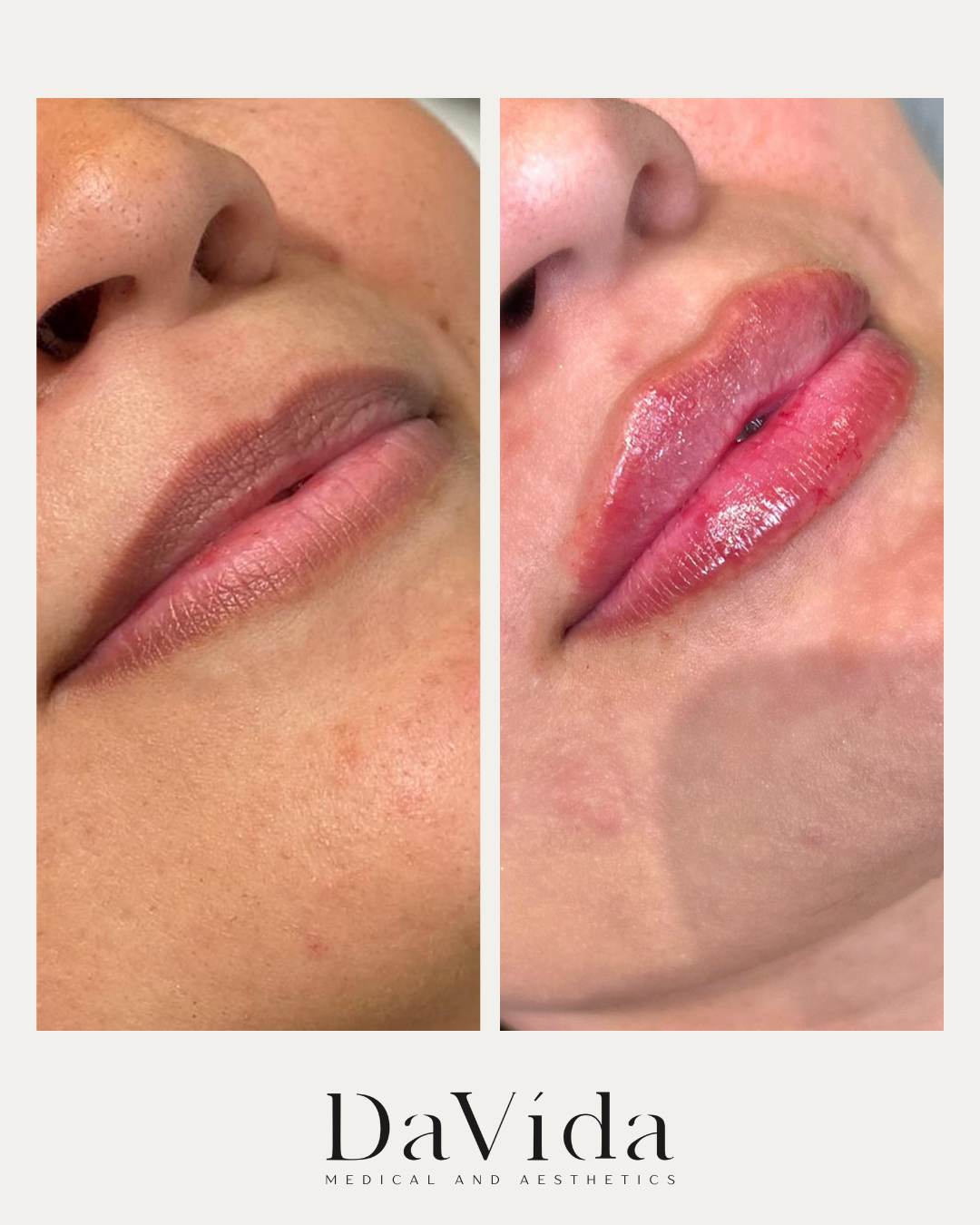
1. Restylane Kysse
Plump, bold, and natural
Restylane Kysse enhances volume without stiffness. Thanks to its movement-friendly technology, it bends with your lips when you talk, smile, or pucker—making it one of the most natural-feeling types of lip fillers on the market.
2. Restylane Refyne
Natural finish + flexibility
Refyne is a great alternative to Juvederm Volbella. It offers ultra-natural hydration with added flexibility, so your lips move effortlessly. In other words, we call it “Volbella with expression technology.”
3. Juvederm Volbella
Sheer hydration and subtle shape
Volbella is ideal for patients wanting hydrated, silky lips without added fullness. It smooths lip lines, enhances lip borders, and gives a soft-gloss look. As a result, it’s one of the most popular types of lip fillers for patients who want a very natural result.
4. Juvederm Vollure
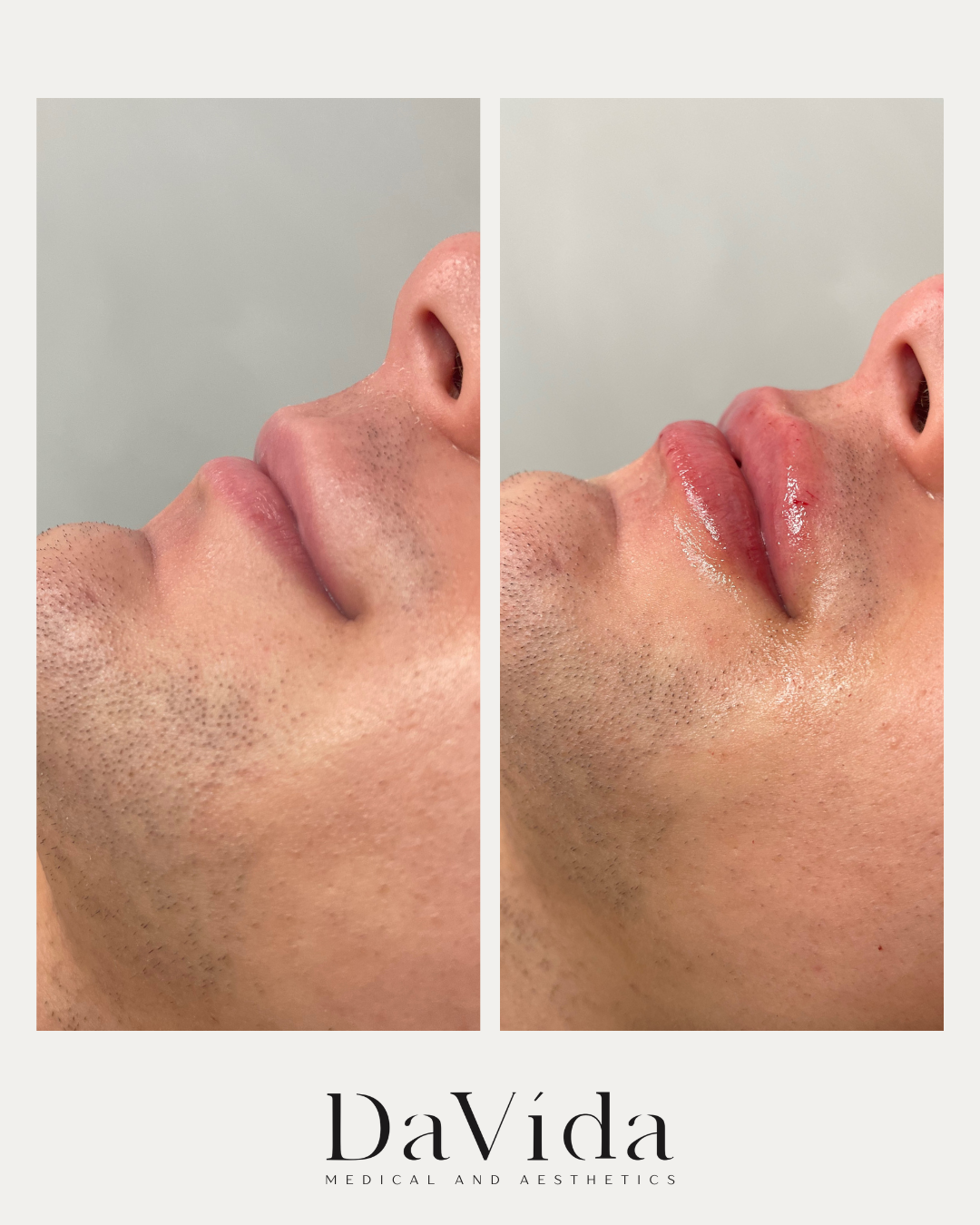
Soft and subtle volume
Vollure sits just above Volbella in fullness—still natural, but with a touch more volume. This makes it a great choice for those wanting a noticeable but not overdone enhancement.
5. Juvederm Ultra
Plump + hydrated
Ultra gives a fuller, juicier look. It’s a step up from Volbella and Vollure and is perfect for patients wanting a soft but noticeable boost.
6. Juvederm Ultra Plus
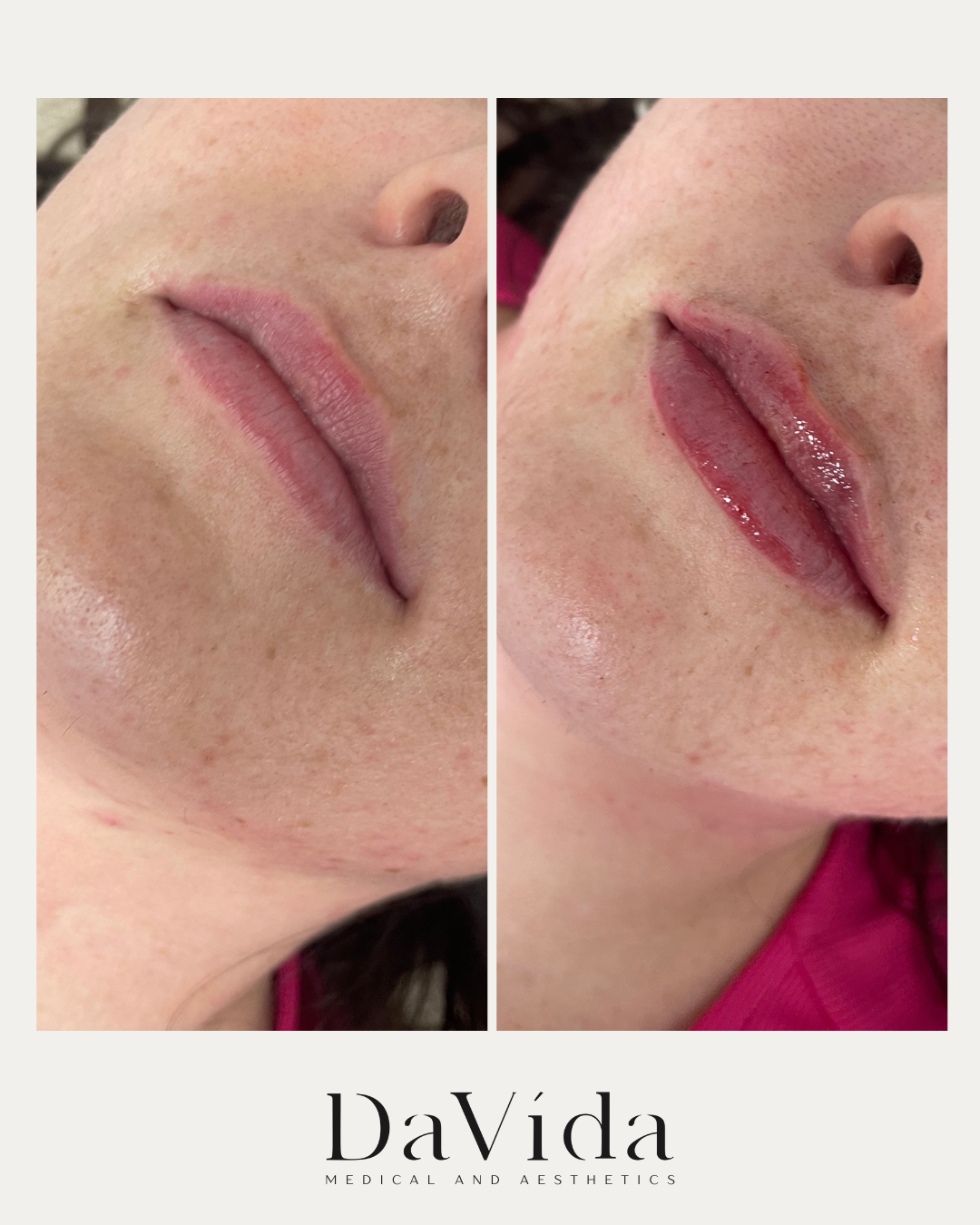
Maximum fullness + long-lasting results
Ultra Plus delivers the boldest volume in the Juvederm family. It looks a little less subtle but lasts longer than standard Juvederm Ultra, which can be ideal if you prefer a more dramatic type of lip filler.
Other Lip Filler Brands (and Why We Don’t Prefer Them)
Not all types of lip fillers are created equal. Some formulas are outdated, risky, or simply don’t perform as well as Juvederm or Restylane. Because of this, we are very selective about what we use in the lips.
Here’s a quick overview:
❌ Belotero
A softer HA filler with risk of migration when used in lips. It is better for fine lines—not ideal for lip volume.
❌ Silicone Lip Injections
Not recommended. These injections are permanent, difficult to remove, and have a high complication risk (lumps, granulomas).
❌ Fat Injections (Fat Grafting)
Too unpredictable for the lips—results can be uneven, lumpy, or overdone as the fat grows or shrinks with weight changes.
❌ Collagen Fillers
Nearly obsolete. They carry a higher allergy risk and offer relatively low longevity compared to newer types of lip fillers.
❌ Radiesse
Calcium-based filler that is never used in the lips due to risk of nodules and firmness.
❌ Sculptra
A collagen-stimulating injectable used for the face and body—not suitable for lips. Instead, we rely on safer hyaluronic acid–based types of lip fillers.
Frequently Asked Questions
How do I choose the right types of lip fillers for my goals?
Start by identifying the look you want. For example:
- Hydrated + ultra-natural: Juvederm Volbella
- Plump but still natural: Restylane Kysse
- Bold, full, and dramatic: Juvederm Ultra Plus
In addition, your injector will assess your lip structure, goals, and anatomy to help guide you to the most appropriate type of lip filler for your needs.
Can fillers be dissolved if I don’t like them?
Yes. Hyaluronic acid (HA) fillers—like Juvederm and Restylane—can be safely dissolved using an enzyme called hyaluronidase. This allows your injector to adjust or fully remove the filler if you’re unhappy with the results, experience asymmetry, or change your aesthetic preferences. Overall, dissolving is quick, effective, and typically takes just a few minutes.
How long do lip fillers last?
Longevity depends entirely on the type of lip filler used and how your body metabolizes it. On average, Restylane lip fillers last 6–12 months, while Juvederm fillers also last 6–12 months—though some patients (and clinical sources) report results lasting up to 18 months. Because every patient is different, duration can vary based on metabolism, lifestyle, and the specific product used.
Can I get lip filler while pregnant or breastfeeding?
No. Dermal fillers have not been studied for safety in pregnancy or breastfeeding, so they are not recommended. To protect both you and your baby, it’s best to wait until you are no longer pregnant or nursing before receiving any type of lip filler.
What is the healing process like?
Lip filler healing can take up to 4 weeks for the product to fully settle and integrate into the tissue. Most swelling and bruising improves within 5–14 days; however, mild puffiness, firmness, or uneven texture can linger for several weeks. Because of this, it’s a good idea to plan ahead if you have events, photos, or travel coming up. The final result is usually worth the wait.
What’s the difference between 0.5 vs. 1 syringe of lip filler?
A 0.5 syringe offers a very subtle enhancement. In most cases, it won’t provide noticeable volume—think of it more as a gentle hydration boost or refinement of lip borders. By contrast, a full 1-syringe treatment is typically needed to see visible plumpness, improved shape, and a balanced lip profile. Most first-time lip filler patients start with 1 syringe for optimal results.
Book with Us
Ready to start your aesthetics journey? Book your appointment with the best medical spa in San Antonio and explore the types of lip fillers that fit your goals.
Related Posts

PRF vs PRP Under Eyes: Which Is Better for Dark Circles and Hollowing?
PRF vs PRP Under Eyes The under-eye area is one of the first places to…

Sculptra Pros and Cons: Is Sculptra Worth It for Facial Rejuvenation?
Sculptra Pros and Cons If you want facial rejuvenation that looks natural, builds gradually, and…

10 Daxxify Benefits: Why This Longer-Lasting Injectable Is Becoming the New Gold Standard
Daxxify Benefits If you’ve been considering wrinkle relaxers but want something cleaner, longer-lasting, and more…