Best Peels for Hyperpigmentation: Your Complete Guide to Clear, Even Skin
peels for hyperpigmentation
Hyperpigmentation is one of the most stubborn skin concerns—and one of the most emotionally frustrating for patients trying to achieve a bright, even complexion. Whether your discoloration stems from acne, sun damage, inflammation, hormones, or genetics, the good news is that chemical peels are among the most effective treatments available for fading pigmentation safely.
But with so many types of peels for hyperpigmentation, where do you start?
In this guide, we break down how hyperpigmentation works, why chemical peels help, and which peel-based treatments are best for different skin tones and concerns. As a result, you will be better prepared to talk with your provider and choose the right plan.
What Is Hyperpigmentation and Why Do Peels Help?
How hyperpigmentation starts in the skin
Hyperpigmentation occurs when the skin produces excess melanin, the pigment responsible for giving skin its color. When triggered—by sun exposure, inflammation, acne, heat, or hormones—the pigment becomes concentrated in patches or spots. As a result, many patients turn to peels for hyperpigmentation to gradually lift this excess pigment and restore a more even tone.
How Is It Different From Dark Spots or Acne Scars?
Hyperpigmentation vs. dark spots vs. acne scars
Many people use these terms interchangeably; however, they’re not the same:
- Dark Spots (Sun Spots / Age Spots): Caused specifically by UV exposure. They tend to be round, brown, and appear on sun-exposed areas.
- Post-Inflammatory Hyperpigmentation (PIH): Discoloration left behind after acne, picking, burns, rashes, or injury. It appears as brown, purple, or red marks.
- Acne Scars: True acne scars are textural, meaning they indent or raise the skin. Hyperpigmentation is strictly color-based—no change in texture.
Because these concerns behave differently, understanding the difference is essential for choosing the specific peel for hyperpigmentation that will work best for your skin.
How Chemical Peels Help With Hyperpigmentation
What chemical peels do in the skin
Chemical peels work by applying a chemical solution to the skin that removes dead or damaged layers and accelerates cell turnover. In other words, these peels for hyperpigmentation help the skin shed discolored cells faster. This process:
- Breaks apart pigment clusters
- Pushes out melanin that’s sitting in the upper layers of the skin
- Stimulates fresh, evenly pigmented skin to rise to the surface
- Improves how the skin regenerates, helping prevent new pigmentation
- Boosts collagen production and overall radiance
- Enhances absorption of brightening skincare products
Peels range from very light to deep. However, deeper isn’t always better—especially for deeper skin tones, which require careful selection to avoid further hyperpigmentation. Therefore, it is crucial to work with an experienced provider when choosing a peel.
The Best Peels for Hyperpigmentation
1. Salicylic Acid Peel
The gentle, beginner-friendly peel for early hyperpigmentation
Salicylic acid is a beta hydroxy acid (BHA) that exfoliates inside the pores while lightly resurfacing the outer skin layer. Because of this dual action, it is often one of the first peels for hyperpigmentation recommended for acne-prone or sensitive skin.
Benefits for hyperpigmentation
- Helps fade mild discoloration and post-acne marks
- Reduces inflammation (ideal for acne-prone skin)
- Encourages fresh, evenly pigmented skin to rise to the surface
- Improves overall smoothness and brightness with minimal irritation
Why it’s a great entry peel
- Safe for most skin types, including sensitive and acne-prone
- Little to no downtime (mild pinkness for a few hours)
- Quick “lunchtime” treatment
- Can be repeated more frequently than stronger peels
Best for:
Mild hyperpigmentation, acne-related discoloration, early maintenance, and patients who prefer a subtle, low-risk option before moving on to stronger peels for hyperpigmentation.
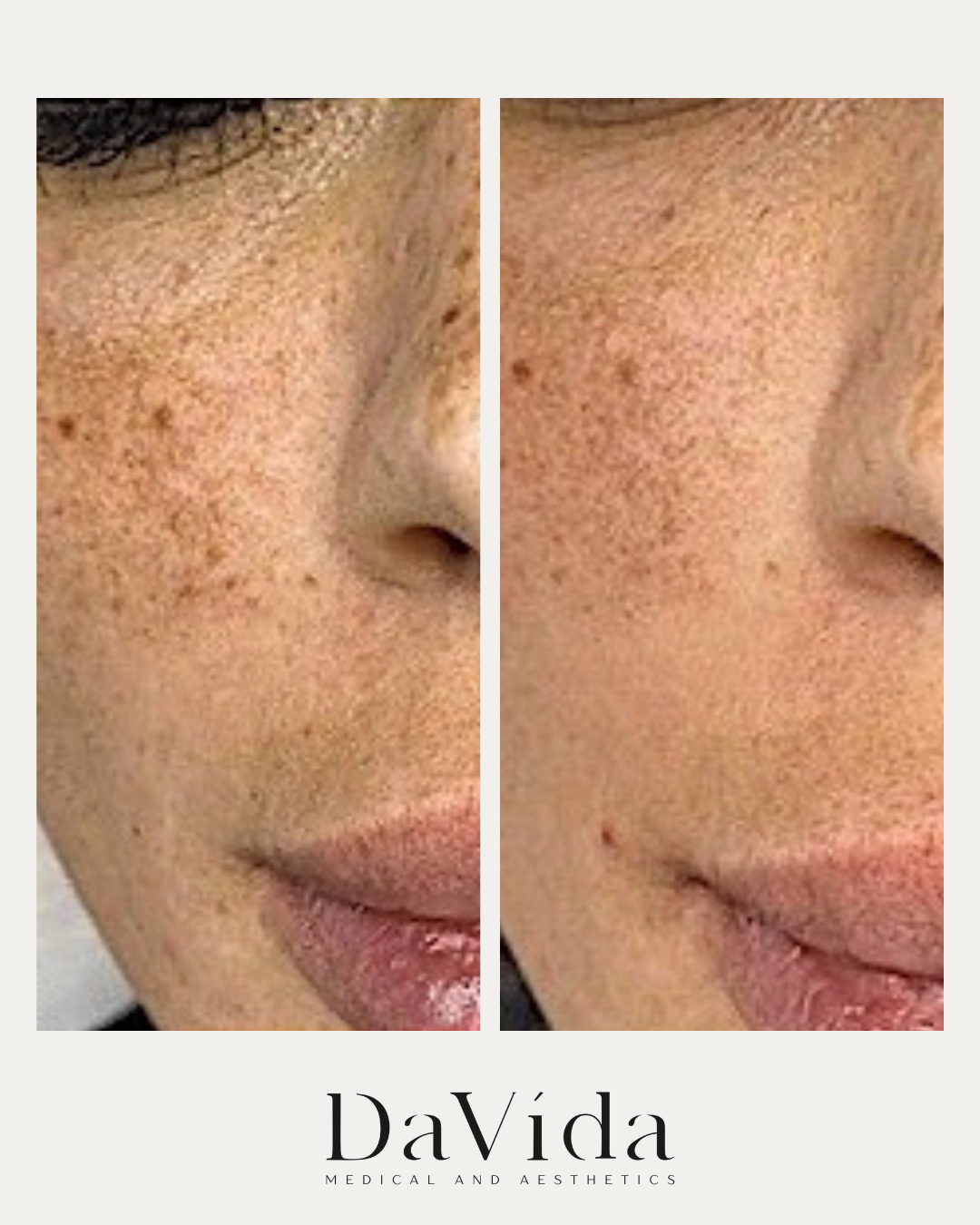
5 Treatments of Light Salicylic Acid Peel Results
2. Jessner’s Peel
A tried-and-true peel for moderate hyperpigmentation (especially in skin of color)
Jessner’s Peel is a blend of lactic acid, salicylic acid, and resorcinol, designed to penetrate more deeply than a simple AHA or BHA peel. As a result, it is one of the most trusted peels for hyperpigmentation in patients with more noticeable discoloration.
Why it’s effective
- Excellent for melasma, post-inflammatory hyperpigmentation, and uneven tone
- Safe for medium to deeper skin tones (Fitzpatrick IV–VI) with an experienced provider
- Can be layered to increase strength
- Improves discoloration, texture, and fine lines simultaneously
- Helps reduce active acne and inflammation
Treatment plan & downtime
- Often performed every 2 weeks
- Most patients need 3–6 sessions for noticeable improvement
- Downtime ranges from light flaking to moderate peeling, depending on strength
Best for:
Patients seeking a stronger peel than salicylic acid without the longer downtime of deeper medical-grade options. In many cases, it is a great next step when lighter peels for hyperpigmentation are no longer enough.
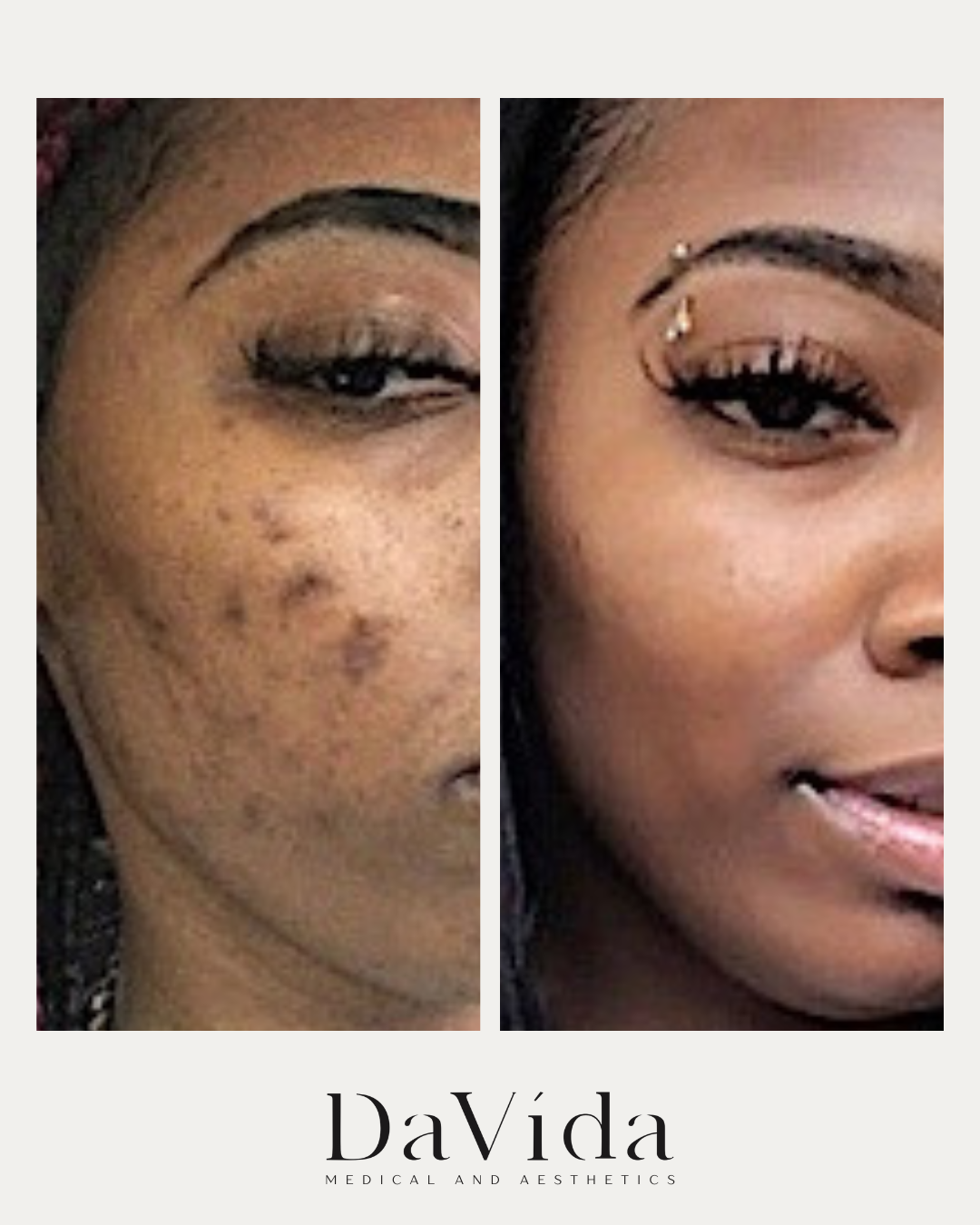
3 Treatments of Jessner Peel Results
3. Perfect 10 Peel
A powerful medical-grade peel with dramatic brightening results
The Perfect 10 Peel is one of the most effective medium-depth peels available and is safe for all skin types when properly evaluated. For patients wanting more dramatic peel results for hyperpigmentation, this option often delivers a noticeable transformation.
Why it stands out
- Delivers significant improvement in dark spots and discoloration
- Removes multiple layers of damaged skin
- Smooths fine lines and improves overall tone
- Safe for all skin colors with appropriate assessment and preparation
- Includes glutathione, a powerful antioxidant and brightening agent
What is glutathione?
Glutathione is naturally produced in the body and helps:
- Lighten unwanted pigment
- Reduce inflammation
- Protect the skin from environmental damage
- Support cellular repair and recovery
As we age, our glutathione levels decline, contributing to dullness, uneven tone, and slower healing. Including glutathione in this peel provides an added boost for brightening and skin regeneration, which makes it especially appealing as a higher-strength peel for hyperpigmentation.
Downtime & treatment plan
- Expect 5–7 days of peeling
- Typically recommended as a series of 2–3 treatments spaced several weeks apart
- Results become more dramatic with each session
Best for:
Moderate to severe hyperpigmentation, melasma, sun damage, uneven tone, and aging skin where a more intensive chemical peel for hyperpigmentation is appropriate.
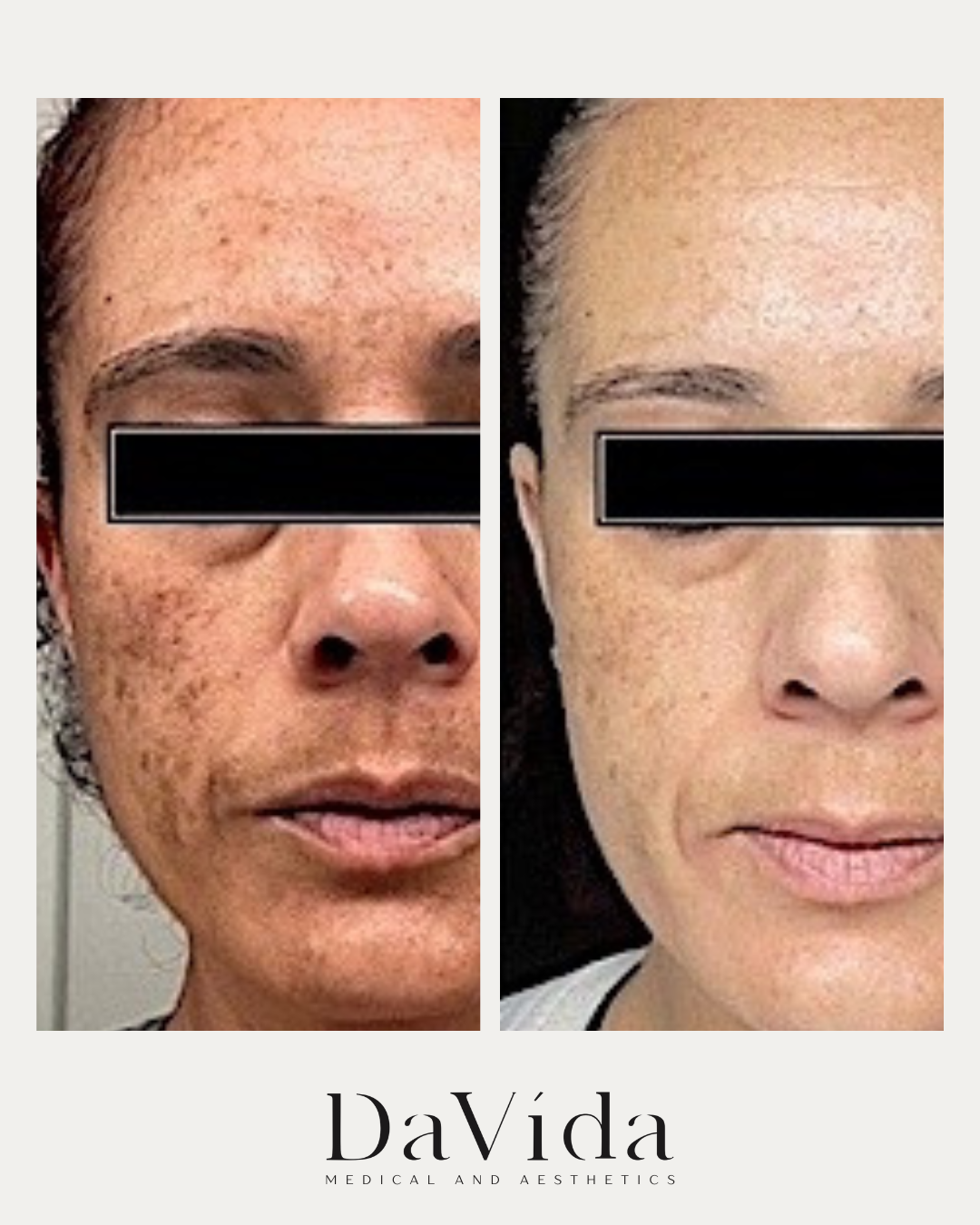
3 Treatments of Perfect 10 Peel Results
Other Highly Effective Treatments to Pair With Peels for Hyperpigmentation
Chemical peels are powerful; however, sometimes pigment sits deep enough in the skin that additional treatments are needed. In those cases, combining peels for hyperpigmentation with laser or light-based treatments can give more complete results. Below are two of the most effective options to pair with peels.
IPL (Intense Pulsed Light)
The gold standard for sun damage and brown spots (on lighter skin tones)
IPL photofacials use broad-spectrum light to target pigment. When the pigment absorbs the light, it heats up and breaks apart so the body can naturally clear it. In addition, IPL can significantly brighten the overall complexion when combined with a customized peel plan.
Benefits
- Targets brown spots, redness, and facial vascularity
- Visibly brightens and evens the skin tone
- Minimal downtime (temporary darkening or “coffee-ground” flaking)
- Great for sun-exposed areas like the face, chest, arms, and hands
- Results can be seen in as little as 1–2 sessions
Who it’s best for
- Light to medium skin tones
- Pigment caused by sun damage, aging, and redness
- Not recommended for deeper skin tones due to risk of PIH (post-inflammatory hyperpigmentation)
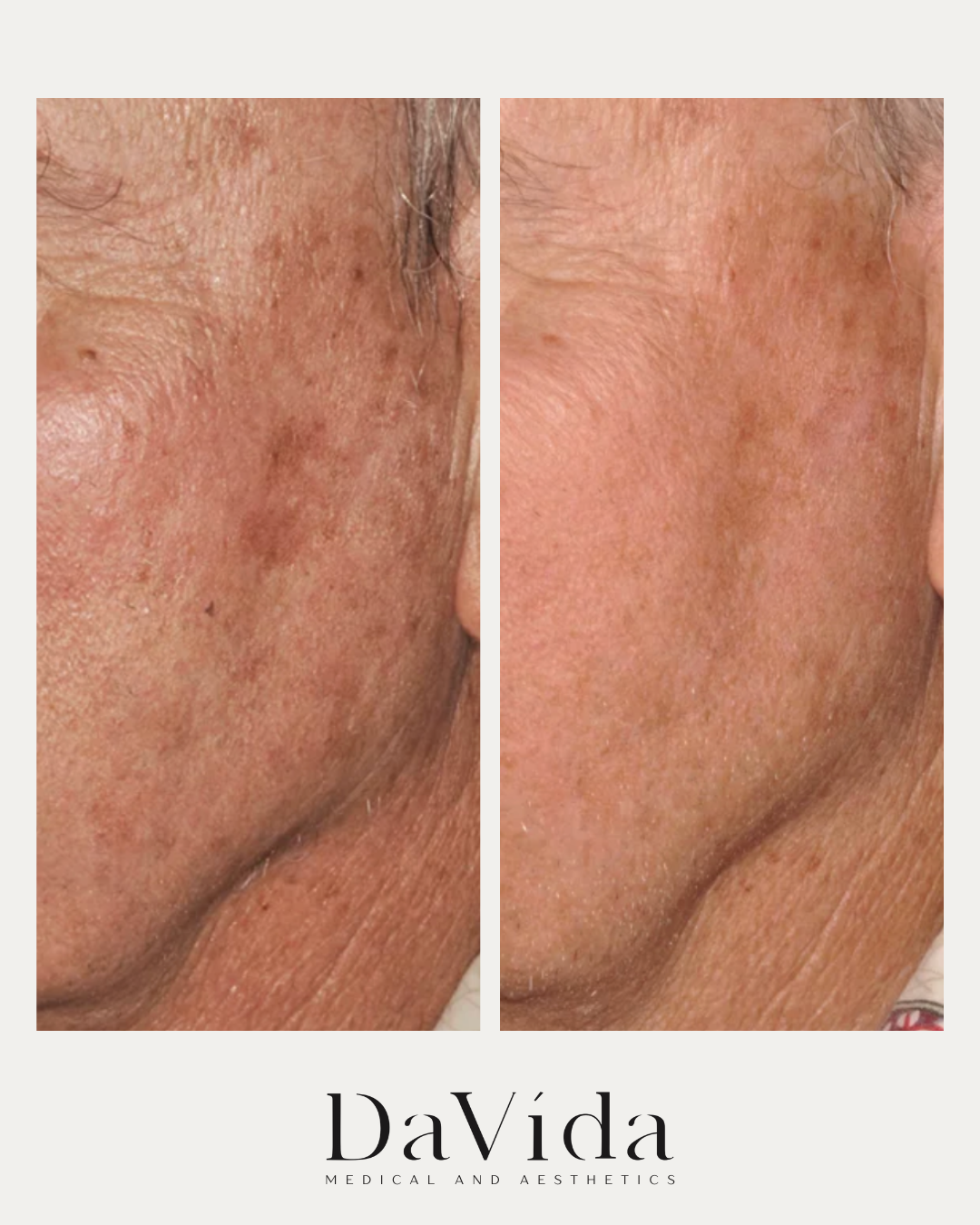
3 Treatments of IPL Results
Erbium Laser Skin Resurfacing
For deep hyperpigmentation, texture issues, and advanced rejuvenation
Erbium lasers precisely remove layers of damaged skin to reveal smoother, brighter, healthier skin underneath. When used thoughtfully, Erbium resurfacing can be an excellent companion to stronger peels for hyperpigmentation.
Benefits
- Extremely effective for stubborn, deeper hyperpigmentation
- Treats texture, fine lines, and scarring at the same time
- Stimulates collagen for long-term skin improvement
- Provides significant brightening and smoothing of the overall complexion
- Can be customized from light to deep resurfacing based on goals
Downtime
- Ranges from 3–10 days, depending on treatment depth
- Delivers dramatic, long-lasting results
Best for:
Patients with deep discoloration, texture concerns, fine lines, or acne scars who want comprehensive rejuvenation and are ready to pair laser resurfacing with advanced peel treatments.
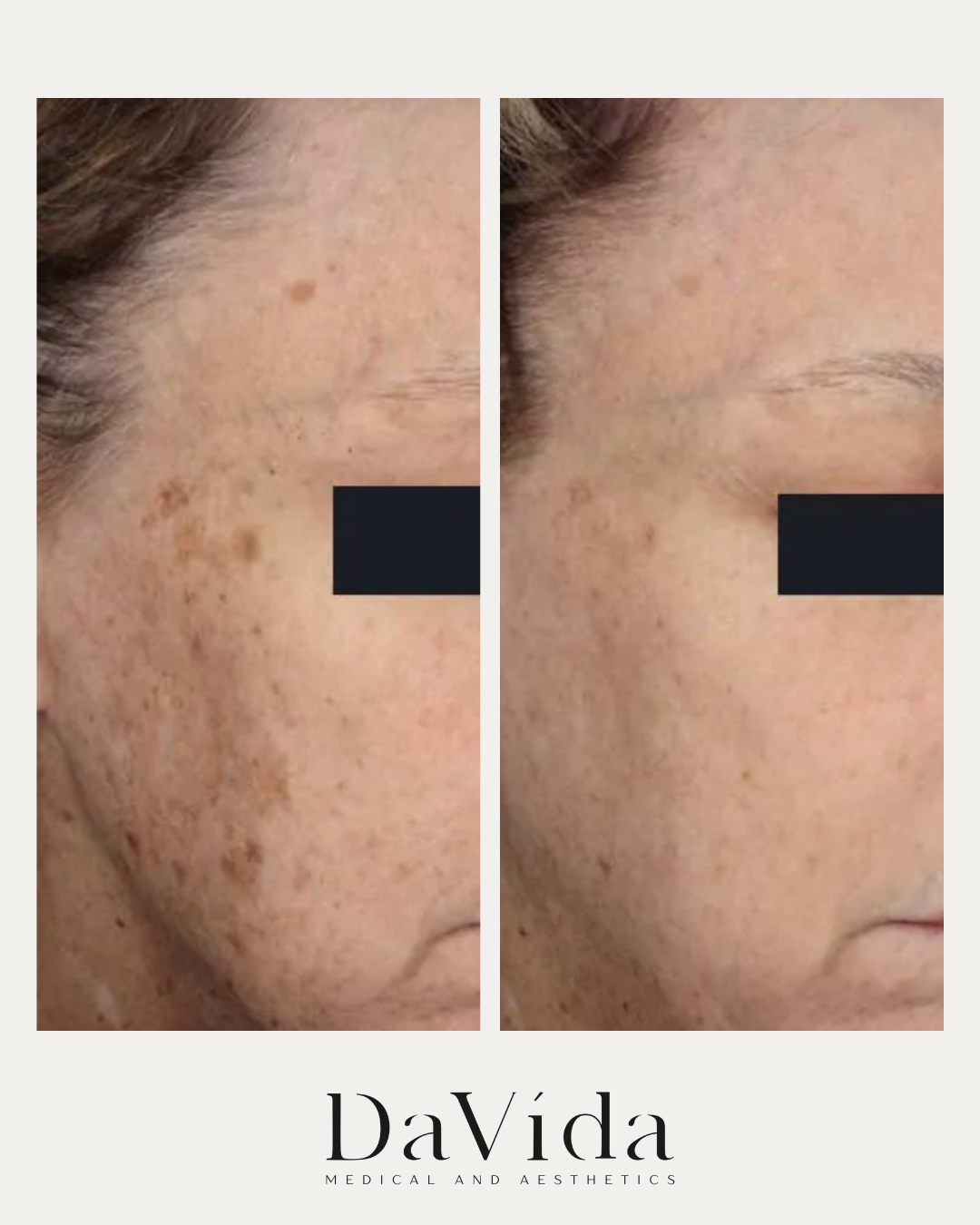
3 Treatments of Erbium Results
Skincare to Maintain Results From Peels for Hyperpigmentation
Even the best treatment plan will not maintain results without proper skincare. Hyperpigmentation is manageable, but not always “curable.” It can return when triggered again by hormones, heat, sun exposure, or inflammation. Therefore, pairing peels for hyperpigmentation with a strong home regimen is essential.
A proper skincare routine will:
- Enhance results from peels and lasers
- Maintain long-term pigmentation control
- Speed up healing and cell turnover
- Reduce the risk of new dark spots forming
- Increase the longevity of treatment results
Why Medical-Grade Products Matter
Medical-grade products typically contain:
- Higher concentrations of active ingredients
- Proven delivery systems that penetrate deeper
- Clinical testing and measurable results
By contrast, drugstore products may fade pigment very slowly, if at all, and often do not penetrate deeply enough to prevent it from returning. As a result, your investment in professional peels may not last as long without proper home care.
Must-have products for preventing hyperpigmentation
- SPF 30+
every morning (the non-negotiable step) - Vitamin C
for antioxidant brightening - Retinol or Retinoids
for cell turnover - Hydroquinone (when appropriate) to suppress melanin
- Niacinamide to calm redness and strengthen the skin barrier
Your provider will build a customized plan based on your skin tone, skin type, and sensitivity so that your peel results last as long as possible.
Frequently Asked Questions About Peels for Hyperpigmentation
How many treatments will I need?
Most patients need 3–6 peels or a combination of peels and lasers for optimal results. Your provider will recommend a plan based on your pigmentation type, depth, and skin tone; in many cases, they will also suggest maintenance peels for hyperpigmentation a few times per year.
Which peel is best for my skin tone?
- Lighter skin tones can tolerate almost all peel types when used appropriately.
- Medium to deeper skin tones require more caution—Jessner’s Peel and certain formulations of the Perfect 10 Peel are typically safest with an experienced provider.
Will my pigmentation come back?
It can, depending on triggers like sun exposure, hormones, heat, and acne. However, proper skincare, consistent SPF, and maintenance treatments dramatically reduce recurrence and help extend the benefits of your peel for hyperpigmentation.
Do peels hurt?
You may feel tingling, warmth, or a mild stinging sensation during the peel. The discomfort is temporary and usually lasts only a few minutes; afterward, the skin may feel warm or tight for a short time.
Can I do a peel if I have acne?
Yes. In fact, salicylic acid and Jessner’s peels can improve both active acne and pigmentation at the same time. As a result, they are often used as dual-purpose peels for hyperpigmentation and breakouts.
When will I see results?
Light peels show results in about 1–2 weeks. Medium-depth peels, lasers, and the Perfect 10 Peel typically reveal their full results after the peeling phase—usually around 7–10 days—with continued improvement over the following weeks as the skin heals and regenerates.
Key Takeaways: Choosing Peels for Hyperpigmentation
Hyperpigmentation is highly treatable with the right combination of professional treatments and medical-grade skincare. Chemical peels accelerate cell turnover, lift pigment, and reveal clearer, brighter skin. Top options include:
- Salicylic Acid: gentle brightening and acne-friendly for early or mild discoloration
- Jessner’s Peel: deeper correction and safe for many patients of color when applied correctly
- Perfect 10 Peel: more dramatic resurfacing with glutathione-powered brightening
For stubborn or deeper pigment, pairing peels for hyperpigmentation with IPL or Erbium laser can significantly enhance results. No matter how effective the treatment, hyperpigmentation can return without proper skincare—daily SPF, brightening ingredients, and consistency are essential. Ultimately, the most successful approach is a personalized plan tailored to your skin type, tone, and long-term goals.
Book with Us
Ready to start your chemical peel journey? Book your appointment with the best medical spa in San Antonio and let us customize the right peels for hyperpigmentation for your skin.
Related Posts
How to Get Rid of Rosacea: Triggers, Skincare & Laser
how to get rid of rosacea If your cheeks flush easily, stay red, or break…
Cystic Acne: What Causes It and How to Treat It
cystic acne Cystic acne is the deepest, most stubborn form of breakout—the painful, under-the-skin bumps…
Melasma on the Face: Causes, Triggers & How to Treat It
melasma on the face If you've noticed brown or gray-brown patches creeping across your cheeks,…