
Retinol vs Hydroquinone: Understanding the Difference
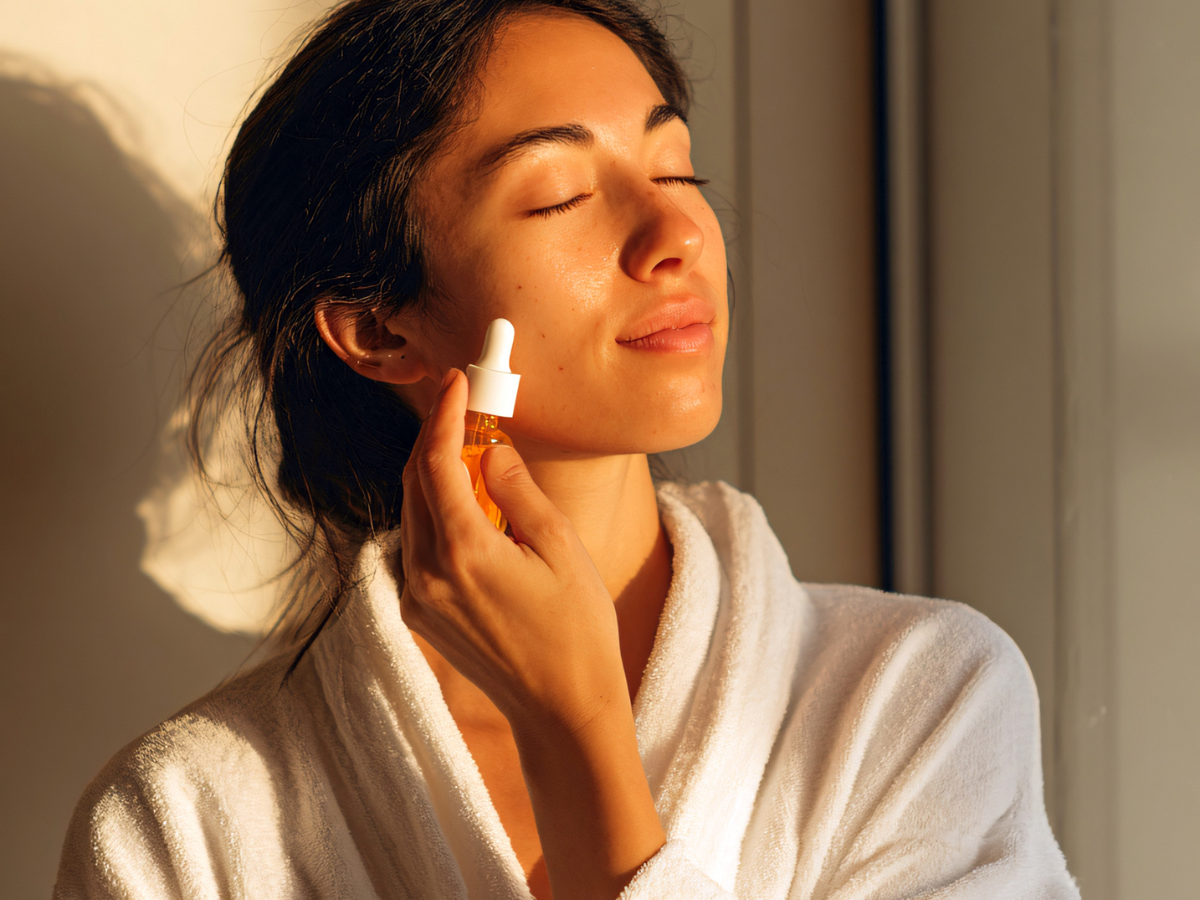
Retinol vs Hydroquinone
If you’ve ever searched for ways to fade dark spots, smooth texture, or get that “glass skin” glow, you’ve probably come across two heavy-hitting ingredients: retinol and hydroquinone. Both are powerful, clinically studied, and capable of creating dramatic changes in the skin—but they work in very different ways and come with very different safety profiles.
At DaVida Medical & Aesthetics, we see a lot of patients who are confused about which option is right for them—or who have tried one or both on their own and ended up with irritation or worsening pigmentation. This guide explains what each ingredient does, who it’s best for, and how to achieve brighter, smoother skin safely with the help of medical-grade alternatives.
What Is Retinol?
Retinol is a form of vitamin A and one of the most trusted ingredients in dermatology for supporting long-term skin health. It works by speeding up cell turnover and stimulating collagen production—helping the skin shed dull, damaged cells and replace them with fresher, smoother ones.
Because of this, retinol can improve a wide range of concerns at once: fine lines, early wrinkles, rough texture, post-acne marks, and even breakouts themselves. It’s available in multiple strengths, from gentle over-the-counter products to stronger prescription retinoids, which makes it highly customizable.
Benefits of Retinol
- Softens fine lines and wrinkles: Encourages collagen production for firmer, smoother-looking skin.
- Improves texture and acne scars: Helps refine pores and gradually smooth indented or uneven areas.
- Clears and prevents breakouts: Keeps dead skin and oil from clogging pores, making it ideal for acne-prone skin.
- Brightens dull or uneven tone: Speeds up the shedding of discolored cells so fresher, more radiant skin can show through.
Downsides of Retinol
- Adjustment period: Flaking, dryness, or redness are common when first starting retinol.
- Requires consistency: Most patients start to see real change at 8–12 weeks and beyond.
- Not ideal for very sensitive skin: Some people struggle to tolerate retinol, even at lower strengths.
- Increases sun sensitivity: Daily, diligent SPF is non-negotiable while using retinol.
What Is Hydroquinone?
Hydroquinone is a pigment-suppressing ingredient used to treat dark spots, melasma, sun damage, and post-inflammatory hyperpigmentation. It works by blocking tyrosinase, the enzyme your skin uses to produce melanin (pigment). When used correctly, it can lighten stubborn discoloration relatively quickly.
However, hydroquinone is not a “casual” skincare ingredient. Long-term, unsupervised, or overly aggressive use can lead to irritation, rebound pigmentation, and in rare cases, a condition called exogenous ochronosis, where the skin develops a bluish-gray discoloration. For these reasons, hydroquinone should always be used with guidance from a qualified medical provider.
Benefits of Hydroquinone
- Highly effective for dark spots: One of the strongest tools for reducing hyperpigmentation.
- Targets stubborn pigment: Useful for melasma, hormonal pigment, and long-standing brown patches.
- Can be cycled strategically: Short-term treatment plans can provide results while limiting risk.
Risks and Limitations of Hydroquinone
- Not meant for long-term, daily use: Works best in carefully planned cycles under supervision.
- Can irritate the skin: Especially at higher strengths or when paired with other strong actives.
- Risk of rebound pigmentation: Dark spots may return or worsen if misused.
- Requires extra caution on deeper skin tones: Patients with richly pigmented skin should only use it with an experienced provider who understands their skin type.
Retinol vs Hydroquinone: Which One Do You Need?
A simple way to think about it:
- Retinol is a global skin-health ingredient that improves texture, tone, breakouts, and signs of aging.
- Hydroquinone is a targeted pigment ingredient used specifically to lighten dark spots and patches.
Retinol Is Best For You If You Want To:
- Improve fine lines, wrinkles, or early signs of aging
- Soften acne scars or rough texture
- Reduce breakouts and clogged pores
- Brighten dull, tired-looking skin overall
- Support long-term skin health and collagen
Retinol is often a “foundational” ingredient in an anti-aging or acne regimen because it does so many things at once. Most patients benefit from some form of vitamin A in their routine.
Hydroquinone May Be Considered If You Want To:
- Lighten melasma or hormonal pigmentation
- Fade dark patches after pregnancy or sun exposure
- Correct stubborn brown spots that haven’t responded to other brighteners
Because of its strength and potential risks, hydroquinone is usually reserved for short-term, targeted treatment plans—always with medical oversight and a clear stop date.
Can You Use Retinol and Hydroquinone Together?
In some cases, yes—but only under the guidance of a provider. Retinol and hydroquinone can be strategically combined or alternated (for example, on different nights) to address both texture and pigment. However, this combination can be too strong for many skin types without careful product selection, barrier support, and close follow-up.
Gentler, Medical-Grade Alternatives
If you’re hesitant about traditional retinol or hydroquinone—or you’ve reacted poorly in the past—there are medical-grade alternatives that can deliver similar results with far less irritation and risk. At DaVida Medical & Aesthetics, we frequently recommend Epionce formulas for patients who want powerful change and a calm, supported skin barrier.
Retinol Alternative: Epionce Lytic Tx
Epionce Lytic Tx is a multitasking treatment lotion designed to improve texture, reduce breakouts, minimize visible pores, and gently brighten the skin—without the harsh “retinol purge” that many patients dread.
- Helps smooth uneven, rough, or bumpy skin
- Reduces congestion and the look of enlarged pores
- Calms visible redness and inflammation
- Supports the skin barrier rather than stripping it
- Can be used long-term, even on more sensitive skin types
Hydroquinone Alternatives: Epionce Melanolyte Tx & Melanolyte Serum
Epionce Melanolyte Tx (AM) and Epionce Melanolyte Serum (PM) work together to target stubborn pigment at multiple levels of the skin. Clinical studies have shown that this duo can outperform prescription hydroquinone formulas—without the rebound pigmentation or long-term risks.
- Uses botanical brighteners instead of harsh bleaching agents
- Safe for long-term use with no “cycling off” required
- Appropriate for all skin tones, including deeper complexions
- Helps prevent new pigment from forming while fading existing spots
Retinol vs Hydroquinone: The Bottom Line
Retinol and hydroquinone are both powerful tools—but they are not interchangeable.
- Retinol is best for patients who want to improve fine lines, texture, acne, and overall skin quality over time.
- Hydroquinone is a focused pigment-correcting treatment that must be used strategically and under medical supervision.
- Epionce Lytic Tx and Melanolyte products offer gentle, clinically proven alternatives that fit beautifully into long-term skin health plans.
If you’re unsure where to start—or you’ve tried to tackle pigment and texture on your own without success—a professional consultation can save you a lot of time, frustration, and guesswork. Together, we can design a plan that fits your skin type, your goals, and your lifestyle.
Book with Us
Ready for a personalized treatment plan? Schedule a consultation at DaVida Medical & Aesthetics and let our providers guide you to brighter, smoother, healthier skin.
Related Posts
How to Get Rid of Rosacea: Triggers, Skincare & Laser
how to get rid of rosacea If your cheeks flush easily, stay red, or break…
Cystic Acne: What Causes It and How to Treat It
cystic acne Cystic acne is the deepest, most stubborn form of breakout—the painful, under-the-skin bumps…
Melasma on the Face: Causes, Triggers & How to Treat It
melasma on the face If you've noticed brown or gray-brown patches creeping across your cheeks,…