Cherry Angioma vs Spider Angioma: How to Tell the Difference
cherry angioma vs spider angioma
Red spots on the skin can appear suddenly and cause understandable concern for many patients. Two of the most common causes are cherry angiomas and spider angiomas. While these vascular lesions are typically harmless, they differ in appearance, cause, and treatment approach. If you’ve been researching cherry angioma vs spider angioma, understanding the distinction can help you feel more confident about next steps.
Modern aesthetic treatments now make it possible to safely reduce or remove many visible vascular lesions with minimal downtime. However, proper diagnosis is essential before choosing a treatment plan.
In this guide, we’ll explain the difference between cherry angioma vs spider angioma, what causes them, and how patients can improve their appearance with advanced skin treatments.
What Is a Cherry Angioma?
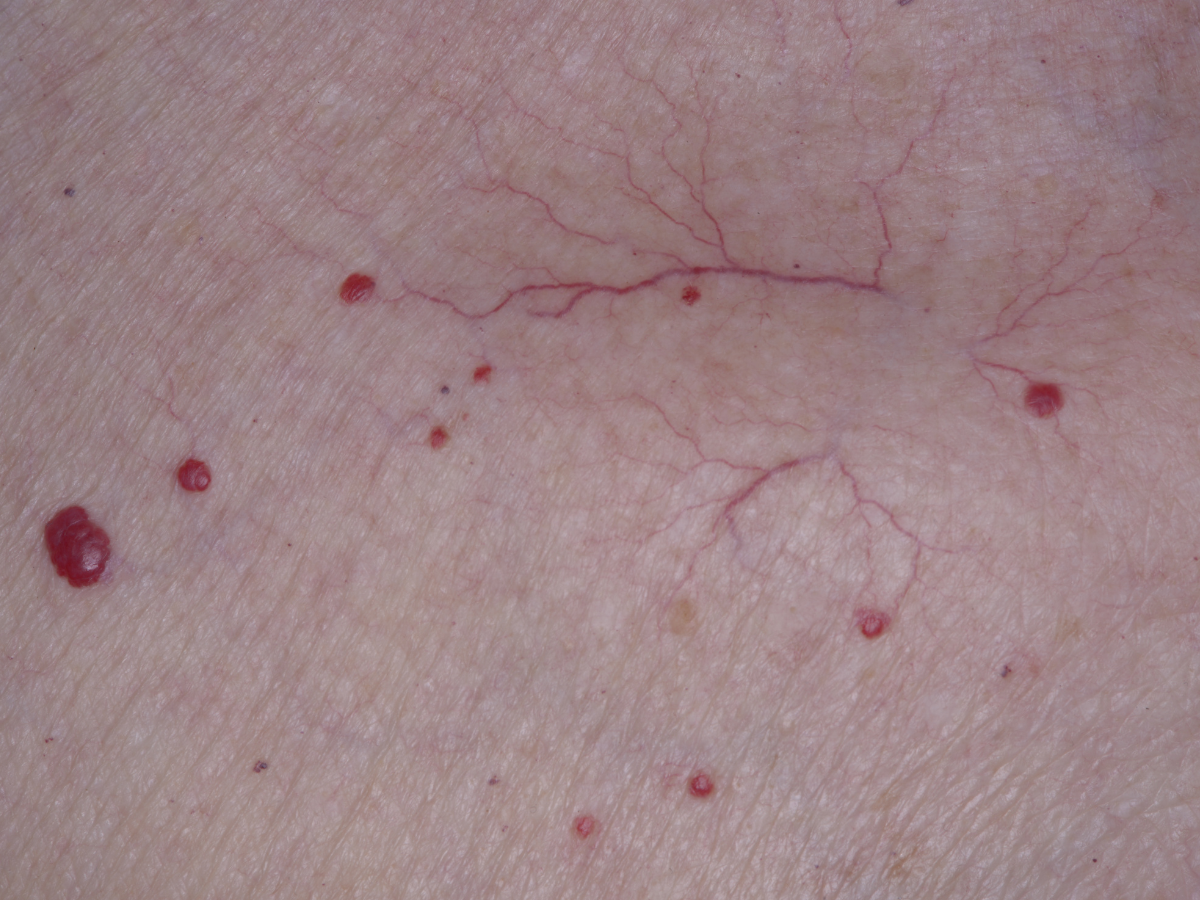
Cherry angiomas are small clusters of dilated blood vessels that form bright red or purple raised spots on the skin. They are extremely common and tend to increase with age.
These lesions can appear anywhere on the body but are most frequently seen on the chest, abdomen, back, and arms. Cherry angiomas usually feel smooth or slightly raised and may range in size from pinpoint dots to several millimeters.
What Is a Spider Angioma?
Spider angiomas are vascular lesions that resemble a small red center with thin vessels radiating outward, creating a spider-like appearance.
They commonly appear on the face, neck, upper chest, or arms. Spider angiomas may become more noticeable due to sun exposure, hormonal changes, pregnancy, or certain medical conditions.
In the discussion of cherry angioma vs spider angioma, spider angiomas are often flatter than cherry angiomas and feature visible “legs” or branching capillaries.
Cherry Angioma vs Spider Angioma: Key Differences
Appearance
Cherry angiomas appear as round, solid red or purple bumps, while spider angiomas feature a central red dot with fine vessels spreading outward.
Common Locations
Cherry angiomas often develop on the trunk and limbs. Spider angiomas more frequently occur on the face, neck, and upper torso.
Causes
Cherry angiomas are typically related to aging, genetics, and vascular changes. Spider angiomas may be influenced by hormones, sun exposure, or vascular dilation.
Texture
Cherry angiomas often feel slightly raised, while spider angiomas are usually flat.
How Are Cherry and Spider Angiomas Treated?
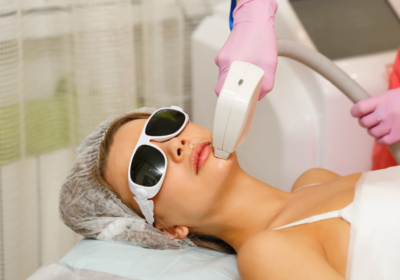
Patients seeking improvement in the appearance of vascular lesions often benefit from laser or light-based treatments. These technologies target hemoglobin within blood vessels, helping reduce visible redness over time.
Multiple sessions may be recommended depending on lesion size, depth, and skin type. When evaluating treatment options related to cherry angioma vs spider angioma, providers typically customize settings to match each lesion type.
Frequently Asked Questions
Are cherry angiomas dangerous?
Cherry angiomas are usually benign and do not require treatment unless they bleed, change, or cause cosmetic concern.
Can spider angiomas go away on their own?
Some spider angiomas may fade over time, especially if related to hormonal changes, but many persist without treatment.
Is removal painful?
Most vascular lesion treatments involve minimal discomfort and little downtime.
How many treatments are needed?
Some lesions improve after one session, while others require multiple treatments.
Book a Consultation
Not sure whether you’re dealing with a cherry angioma or spider angioma? Schedule a consultation at DaVida Medical & Aesthetics to explore personalized treatment options.
Related Posts
Laser Tattoo Removal Cost: What to Budget in San Antonio
laser tattoo removal cost Regret that tattoo? You're far from alone—and laser removal is the…
Laser Hair Removal for the Face: Areas, Cost & Results
laser hair removal for the face If tweezing, waxing, and threading feel like a never-ending…
Erbium Laser vs. CO₂ Laser: Why Modern Laser Skin Resurfacing Is Often the Smarter Choice
Erbium Laser vs CO2 Laser If you’ve been researching advanced skin rejuvenation treatments, you’ve likely…