
Facial Frosting: What It Is, Why It Happens, and What It Means for Your Skin
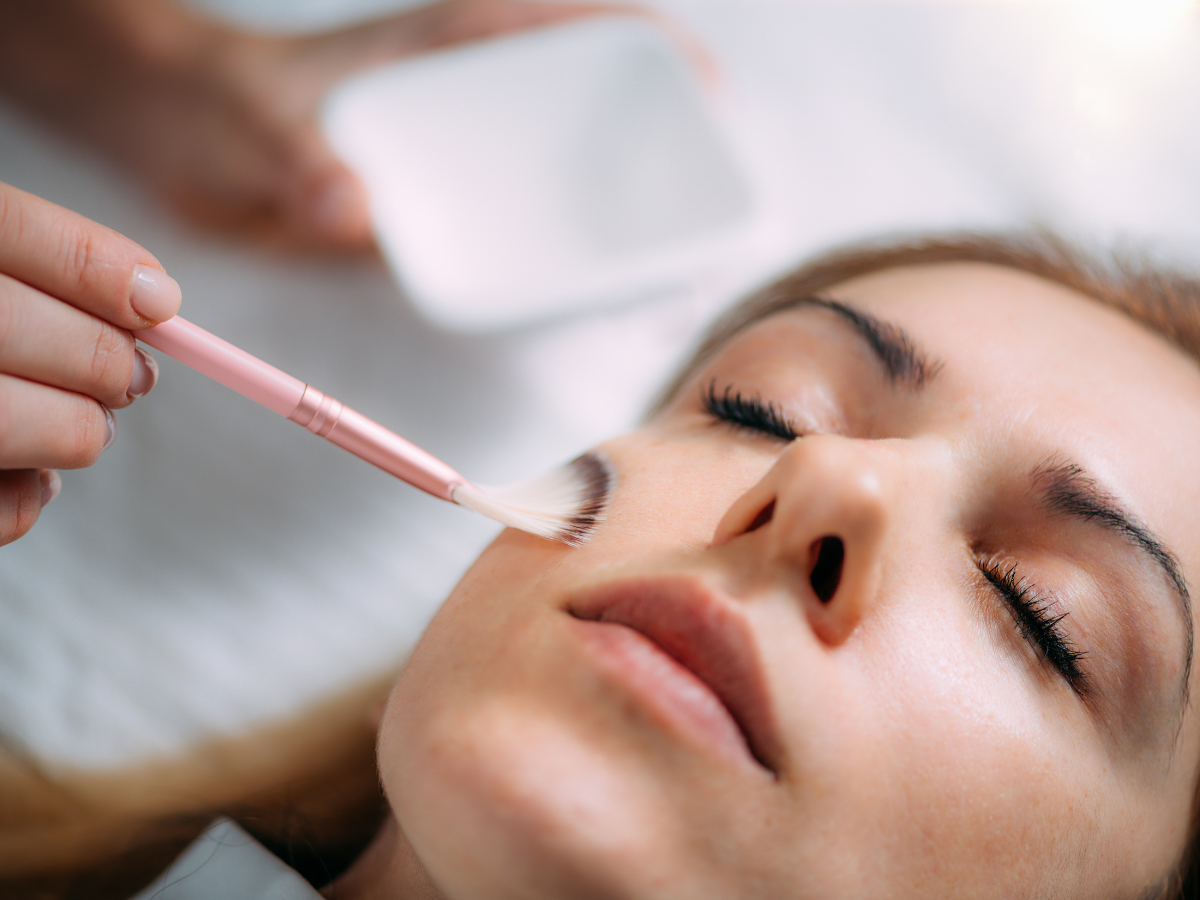
Facial Frosting
If you’ve ever watched a chemical peel being performed—or seen photos taken mid-treatment—you may have noticed the skin temporarily turning white in certain areas. This visual reaction is commonly referred to as facial frosting, and while it can look intense, it’s a normal and carefully controlled response during specific professional peel treatments.
At DaVida Medical & Aesthetics, the frosted appearance is one of the most misunderstood parts of advanced exfoliation. Patients often ask whether it means the peel is too strong, if it’s painful, or if it’s something to avoid. In reality, this whitening response can act as a helpful visual cue that allows trained providers to tailor peel depth and timing safely.
In this guide, we’ll explain what causes the frosting effect, how providers interpret different patterns, who it’s best for, and what to expect before and after treatment—so you can feel confident and informed walking into your appointment.
What Is Facial Frosting?
Facial frosting refers to the temporary white or opaque appearance that can develop on the skin during certain chemical peels. It happens when the peel solution interacts with proteins in the skin, causing them to coagulate and look lighter on the surface.
This does not automatically mean the skin is “burning.” Instead, it’s a controlled chemical response that helps providers understand how the skin is reacting in real time. Depending on the product used, your skin type, and how many layers are applied, frosting can appear as light speckling, patchy whitening, or a more uniform frosted look.
It’s also important to know that not every chemical peel causes frosting. Many superficial peels work beautifully without any visible whitening at all—so the presence or absence of frosting isn’t a “score.” It’s simply a characteristic of certain peel types and depths.
Why Does the Frosting Effect Happen?
The frosted appearance is typically the result of protein coagulation in the upper layers of the skin. Certain acids—such as trichloroacetic acid (TCA), Jessner’s solution, and phenol—can temporarily denature skin proteins upon contact, creating a visible white response.
How noticeable this reaction becomes depends on several factors, including:
- The type of peel being used (and whether it’s self-neutralizing or provider-neutralized)
- The concentration or strength of the solution
- The number of layers applied during the service
- Your skin thickness, oil level, and baseline sensitivity
- The condition of your skin barrier and any recent use of actives (retinoids, acids, exfoliants)
For experienced providers, this response acts as a treatment roadmap. It helps determine whether another layer is appropriate, when to stop, and when neutralization is needed to keep the treatment safe and results-focused.
Different Levels of Frosting (What They Mean)
Providers often describe frosting in levels. These levels help communicate peel depth and guide treatment decisions during the service.
Level 1: Light Frosting
- Small, patchy white areas or light speckling
- Often paired with visible pinkness or redness
- Typically indicates a more superficial peel depth
- Minimal downtime for most patients
Level 2: Moderate Frosting
- More even whitening across targeted zones
- Pinkness may still show underneath
- Often associated with medium-depth peeling action
- Moderate flaking or peeling is common during recovery
Level 3: Deep Frosting
- Solid, opaque white appearance with minimal redness showing
- Indicates deeper peel penetration and stronger resurfacing
- Requires careful aftercare and strict sun avoidance
- Not appropriate for every skin type (especially without provider oversight)
It’s worth emphasizing: deeper frosting does not automatically mean “better.” Your best peel is the one that safely matches your skin type and goals—especially when treating pigment, melasma, or sensitive skin.
Is Facial Frosting a Good Sign?
In the right setting, the frosting response is best viewed as useful information. It can indicate that the peel is working at the intended level and that the provider can accurately monitor how the skin is responding.
That said, the goal is never to “chase frosting.” Aggressive layering or pushing peel strength can increase the chance of prolonged healing, irritation, or post-inflammatory hyperpigmentation—especially in patients who are prone to discoloration.
What This Means for You
A well-performed peel prioritizes safety and skin health. The provider’s job is to choose the right peel type, strength, and technique for your skin—not to create the most dramatic visual effect.
Does It Hurt?
Frosting itself isn’t painful, but the peel that triggers it can cause sensations like tingling, warmth, stinging, or tightness. This is normal and typically short-lived. During professional treatments, timing, layering, and neutralization protocols are used to manage comfort and keep the service controlled.
If discomfort becomes intense, your provider can adjust application, reduce contact time, and neutralize the peel as needed. Communicating how you feel during the appointment helps your provider customize the experience appropriately.
What to Expect After a Peel That Produces Frosting
The whitening response usually fades quickly—often within minutes—after neutralization (or as the peel settles, depending on the product). After that, your skin enters a healing phase, which varies based on peel depth and your individual response.
Common post-peel experiences include:
- Pinkness or redness for a day or two
- Tightness, dryness, or a “windburn” sensation
- Flaking or peeling that starts around days 2–4
- Sensitivity to heat and sun during recovery
Some patients experience visible peeling, while others notice more subtle flaking. Either can be normal—especially if hydration and barrier support are done correctly.
Who Is a Good Candidate?
Peels that may create a frosting response are typically chosen for patients seeking more corrective improvements, such as:
- Sun damage and uneven pigmentation
- Stubborn dark spots
- Textural irregularities and roughness
- Fine lines and early aging changes
- Post-acne marks and mild acne scarring
A consultation is essential, especially for patients with melasma, deeper skin tones, or a history of post-inflammatory hyperpigmentation. In these cases, a provider may recommend a gentler peel type, fewer layers, pre-treatment prep, or alternative treatments to reduce risk while still delivering results.
Aftercare: How to Protect Your Results
Because a peel that produces frosting interacts with proteins in the skin, aftercare is non-negotiable. Supporting the barrier during healing helps reduce irritation and protects your final results.
Post-Peel Care Guidelines
- Keep it gentle: Use a mild cleanser and lukewarm water.
- Hydrate the barrier: Apply a nourishing moisturizer consistently.
- Pause actives: Avoid retinoids, exfoliating acids, and scrubs until cleared by your provider.
- SPF is mandatory: Wear broad-spectrum sunscreen daily and reapply as needed.
- Avoid heat: Skip saunas, steam, and intense workouts during recovery.
- Do not pick: Let peeling skin shed naturally to prevent marks and irritation.
Your provider may also recommend targeted products for hydration, calming, or pigmentation support—especially if the peel was performed to address discoloration concerns.
Facial Frosting: The Bottom Line
Facial frosting can look dramatic in the moment, but it’s simply a controlled response seen in certain professional chemical peel treatments. When performed by trained providers, this visual cue helps guide peel depth and timing, leading to safe, tailored, and effective skin renewal.
If you’re considering a chemical peel and want to know which type is best for your skin goals—texture, pigment, acne marks, or overall glow—your best first step is a consultation. Together, we can choose the right peel, the right strength, and the right plan for your skin.
Book a Skin Consultation
Ready to explore chemical peels and advanced skin treatments? Schedule a consultation at DaVida Medical & Aesthetics and let our providers guide you safely toward brighter, healthier skin.
Related Posts

Does Dermaplaning Cause More Facial Hair? Dermaplaning Myths Debunked
Dermaplaning Myths Debunked If you’ve been considering dermaplaning but feel hesitant, you’re not alone. One…
Microneedling vs Vampire Facial: Which Treatment Is Right for Your Skin?
Microneedling vs Vampire Facial If you’ve been researching advanced skin rejuvenation treatments, you’ve probably come…
Microdermabrasion vs Dermaplaning: Which Is Right for Your Skin?
Microdermabrasion vs Dermaplaning If you’re looking for smoother texture, brighter tone, and that fresh, polished…