
Hyperpigmentation vs Acne Scars: What’s the Difference?
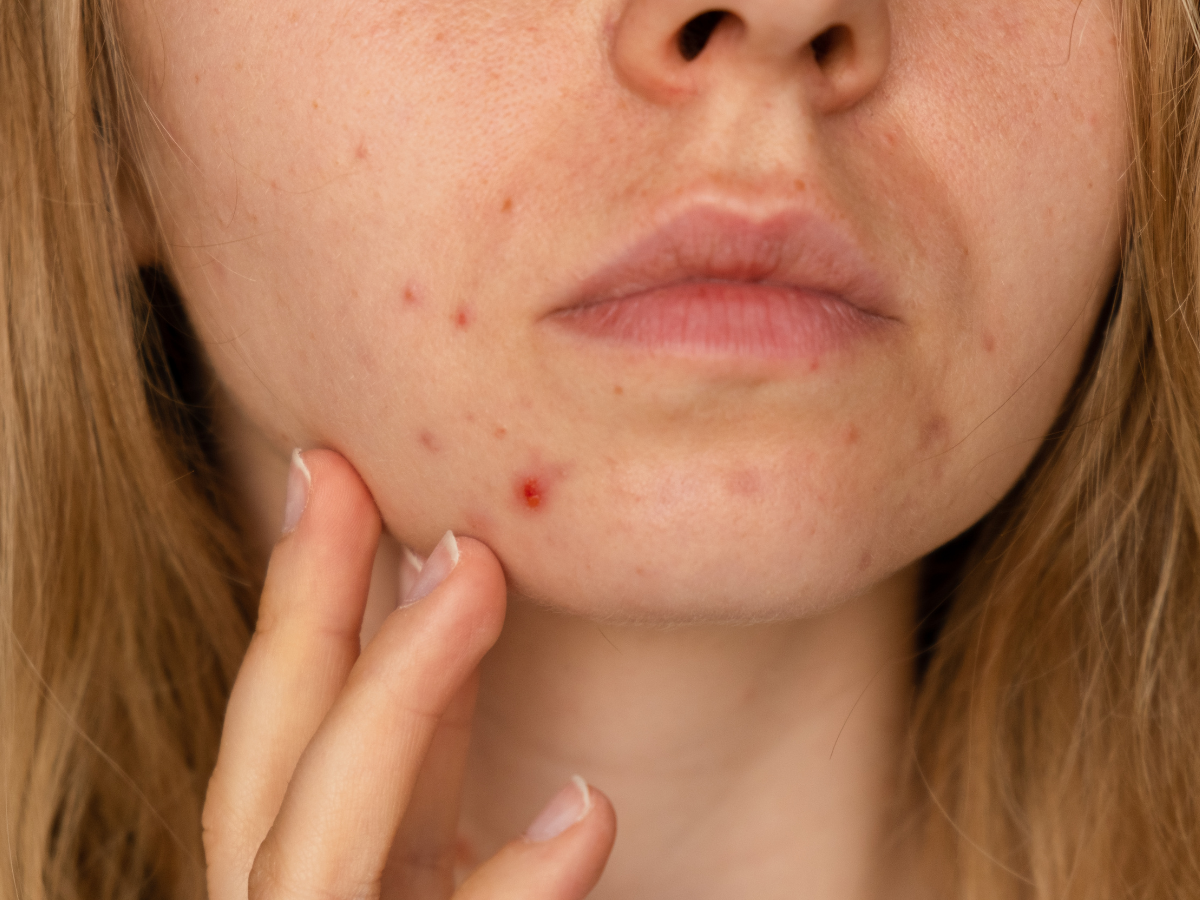
Hyperpigmentation vs Acne Scars
If you struggle with uneven skin tone or texture after breakouts, you’re not alone—acne marks are one of the most common concerns we treat at DaVida Medical & Aesthetics. But before choosing the right treatment, it’s crucial to understand a key distinction that confuses almost everyone: hyperpigmentation vs acne scars. They may look similar, but they form for different reasons, behave differently, and require very different treatment plans.
This comprehensive guide breaks down what each one is, how to tell them apart, and the most effective treatments—both in-office and at home—to finally achieve clear, smooth, even-toned skin.
What Are Acne Scars?
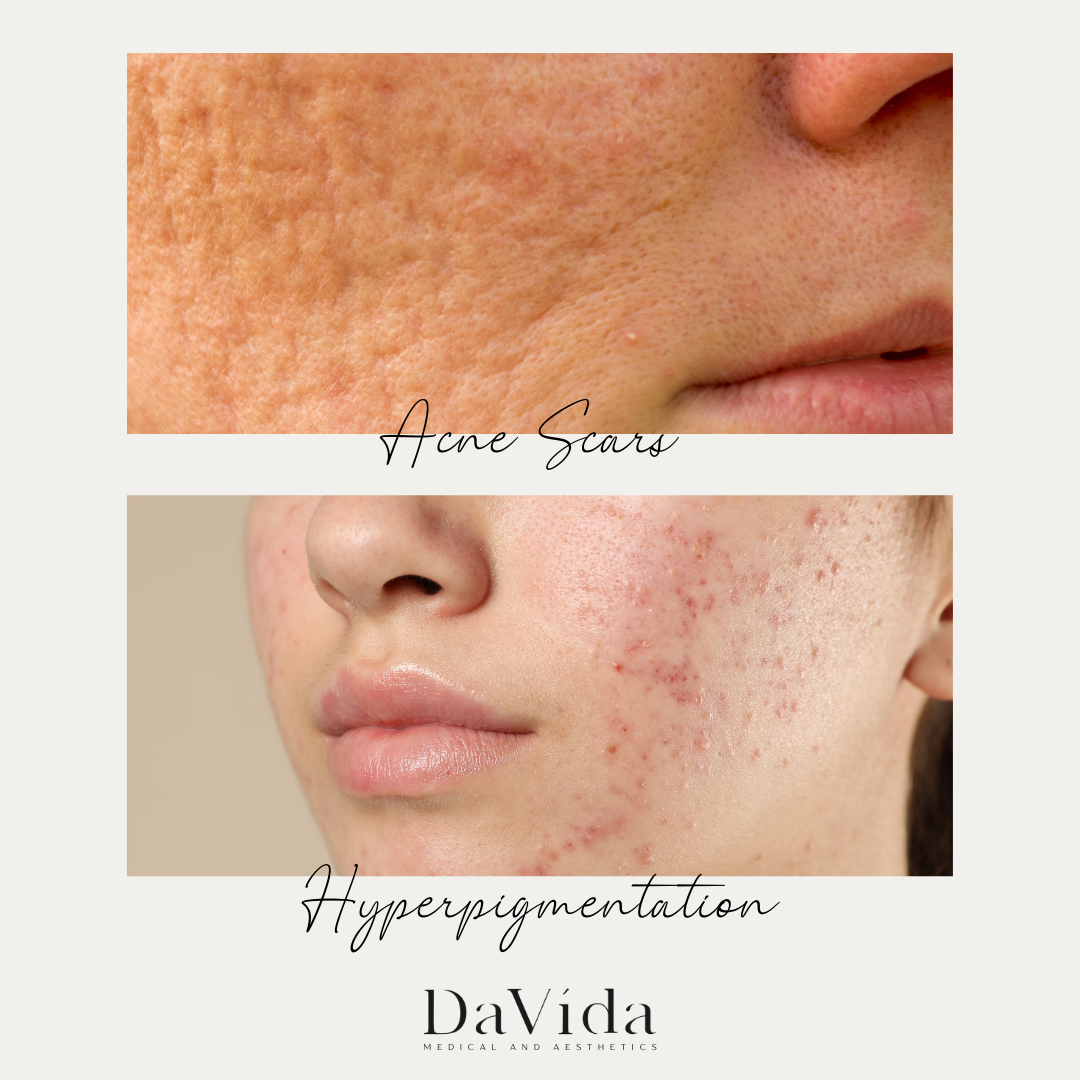
Acne scars are textural changes in the skin caused by long-term or severe inflammation. When a breakout penetrates deep into the skin, it damages collagen and elastin, leaving behind visible irregularities. These scars create physical indentations or raised areas—not just color changes.
The most common types include:
- Atrophic scars (indented): ice pick, boxcar, and rolling scars
- Hypertrophic scars (raised): usually found on the chest, shoulders, or jawline
- Mixed scars: a combination of both
Because acne scars alter the structure of the skin, they require collagen-stimulating treatments to resurface and remodel the tissue.
What Is Hyperpigmentation?
Hyperpigmentation is not a true scar. Instead, it’s a dark mark left behind after inflammation, also known as post-inflammatory hyperpigmentation (PIH) or post-inflammatory erythema (PIE). Hyperpigmentation can appear as:
- Brown or tan spots (common in medium to deeper skin tones)
- Red or pink marks (common in fair skin tones)
- Blotchy patches
- Areas that worsen after sun exposure
Unlike acne scars, hyperpigmentation sits at the surface level of the skin and can often fade with targeted skincare, sun protection, and complexion-evening treatments.
Hyperpigmentation vs Acne Scars: What’s the Difference?
Although they often appear together, the difference between hyperpigmentation vs acne scars is simple:
- Hyperpigmentation = discoloration
- Acne scars = texture changes
Hyperpigmentation is essentially a pigment issue. Acne scars are a structural issue caused by collagen loss or excess collagen.
Why does this matter?
Because treating them incorrectly leads to slow progress and frustration. Hyperpigmentation responds well to lasers, IPL, brightening skincare, and sun protection. Acne scars require collagen induction—like Microneedling
or Erbium Laser Resurfacing . The right diagnosis ensures the right treatment—and the fastest results.
How to Treat Acne Scars
Acne scars need treatments that rebuild collagen, smooth texture, and resurface damaged tissue. Below are the most effective options.
Microneedling
Best for: Textural acne scars, enlarged pores, fine lines
Minimum sessions: 3+ treatments for significant improvement
Average cost: $300–$500 per session
Downtime: 24–72 hours of redness and sensitivity
Microneedling uses tiny sterile needles to create controlled micro-injuries in the skin, triggering your body to produce collagen and elastin. This process gradually fills in indented scars, improves uneven texture, and tightens the skin.
You won’t see dramatic improvements after one session—true scar remodeling requires multiple treatments and consistency. Most patients notice smoother, healthier-looking skin after their third session, with continued improvement for months.
Erbium Laser Skin Resurfacing
Best for: Deep acne scars, severe texture, wrinkles
Minimum sessions: 2+ treatments
Average cost: $700–$1,200 depending on depth and area
Downtime: 5–7 days of redness, peeling, and tenderness
Erbium is one of the most effective resurfacing lasers for acne scars. It precisely removes damaged layers of skin and stimulates aggressive collagen production. Compared to CO2 lasers, erbium offers impressive results with less downtime and lower risk of pigmentation issues, making it safer for more skin types.
After 1–2 treatments, patients often see dramatic improvement in scar depth, texture, and overall smoothness.
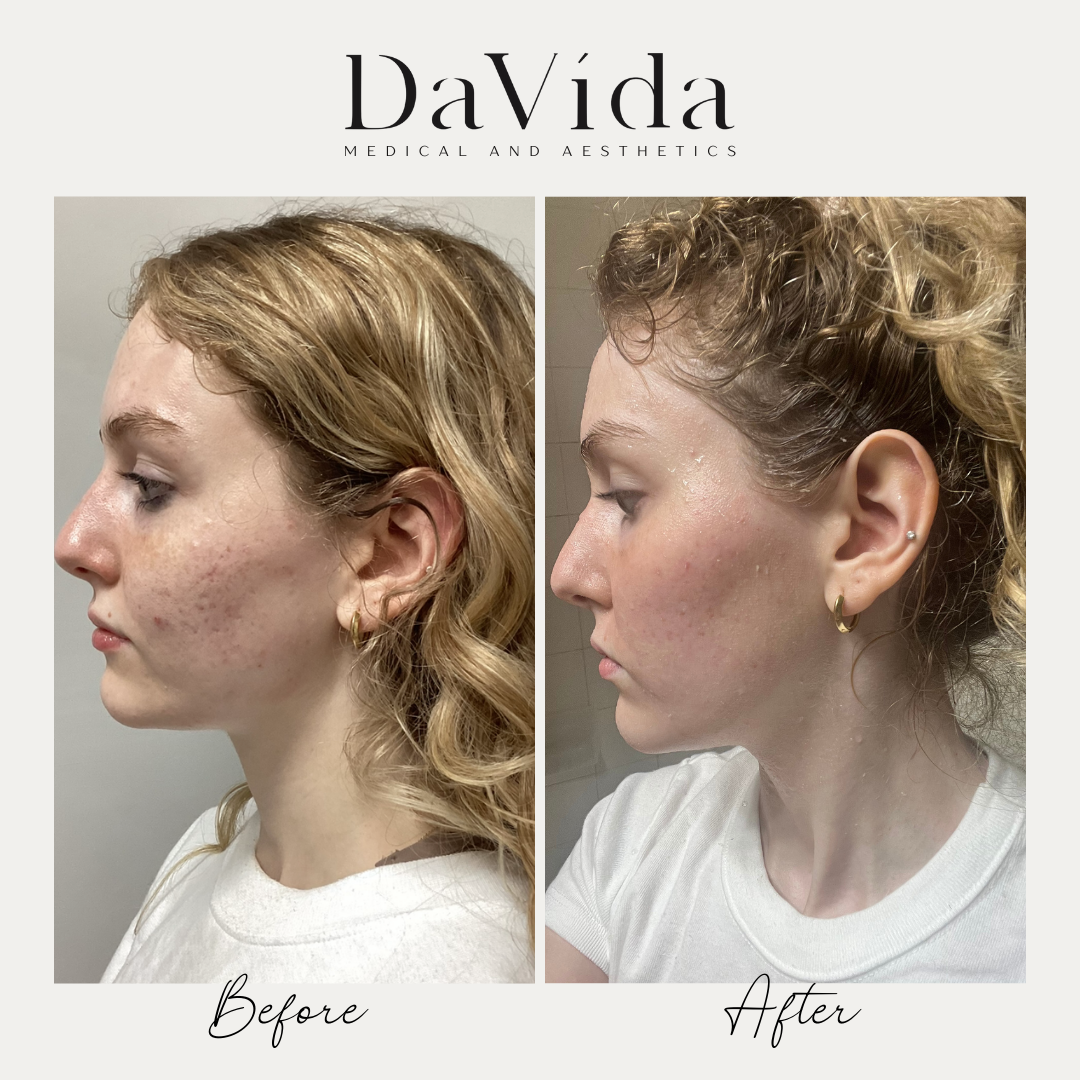
1 Treatment of Erbium Results
A Proper Medical-Grade Skincare Routine for Acne Scars
Medical-grade skincare is essential because it delivers higher concentrations of active ingredients and is formulated to penetrate deeper into the skin—unlike over-the-counter products that often sit on the surface. The goals of your routine are to:
- Prevent new acne
- Reduce inflammation
- Support collagen production
- Strengthen the skin barrier
- Improve texture over time
Recommended Daily Routine
AM Routine
-
Cleanser: Alastin Gentle Cleanser
Gently cleanses and lightly exfoliates without stripping the skin barrier. -
Serum: Epionce Lytic Tx
Smooths texture, reduces clogged pores, and refines the appearance of scars. -
Vitamins: Vitamin A Tablets
Taken daily as a gentler alternative to Accutane to regulate oil and prevent new breakouts. -
Moisturizer: DaVida Skin Sheer Moisturizer
Lightweight, oil-free hydration ideal for acne-prone skin. -
Sunscreen: EltaMD SPF
Mineral SPF with niacinamide to calm redness and prevent pigment from darkening.
PM Routine
-
Cleanser: DaVida Skin Crystal Clear Cleanser (2–3x per week)
Acts like a gentle scrub to smooth texture—avoid nightly use to prevent over-exfoliation. -
Cleanser: Alastin Gentle Cleanser (all other nights)
Gently cleanses and lightly exfoliates without stripping the skin barrier. -
Mask: Clinical Formula Therapeutic Mask (2–3x per week)
Exfoliates dead skin cells, revealing smoother, clearer skin. -
Serum: Epionce Lytic Tx
Continues to improve texture and minimize clogged pores. -
Moisturizer: DaVida Skin Sheer Moisturizer
Locks in hydration without feeling heavy or greasy.
How to Treat Hyperpigmentation
Hyperpigmentation requires treatments that target melanin, fade discoloration, and prevent dark spots from returning. A combination approach works best.
IPL (Intense Pulsed Light)
Best for: Brown spots, sun damage, redness, mild acne marks
Minimum sessions: 3 sessions
Average cost: $250–$450 per session
Downtime: Minimal—1–4 days of darkening spots
IPL uses broad-spectrum light to pull pigment to the surface, where it flakes off naturally over the course of 1–2 weeks. It also reduces redness and improves overall tone. IPL is most effective on lighter skin tones and is ideal for treating diffuse pigmentation.
Patients typically need a series of 3–5 treatments for best results.
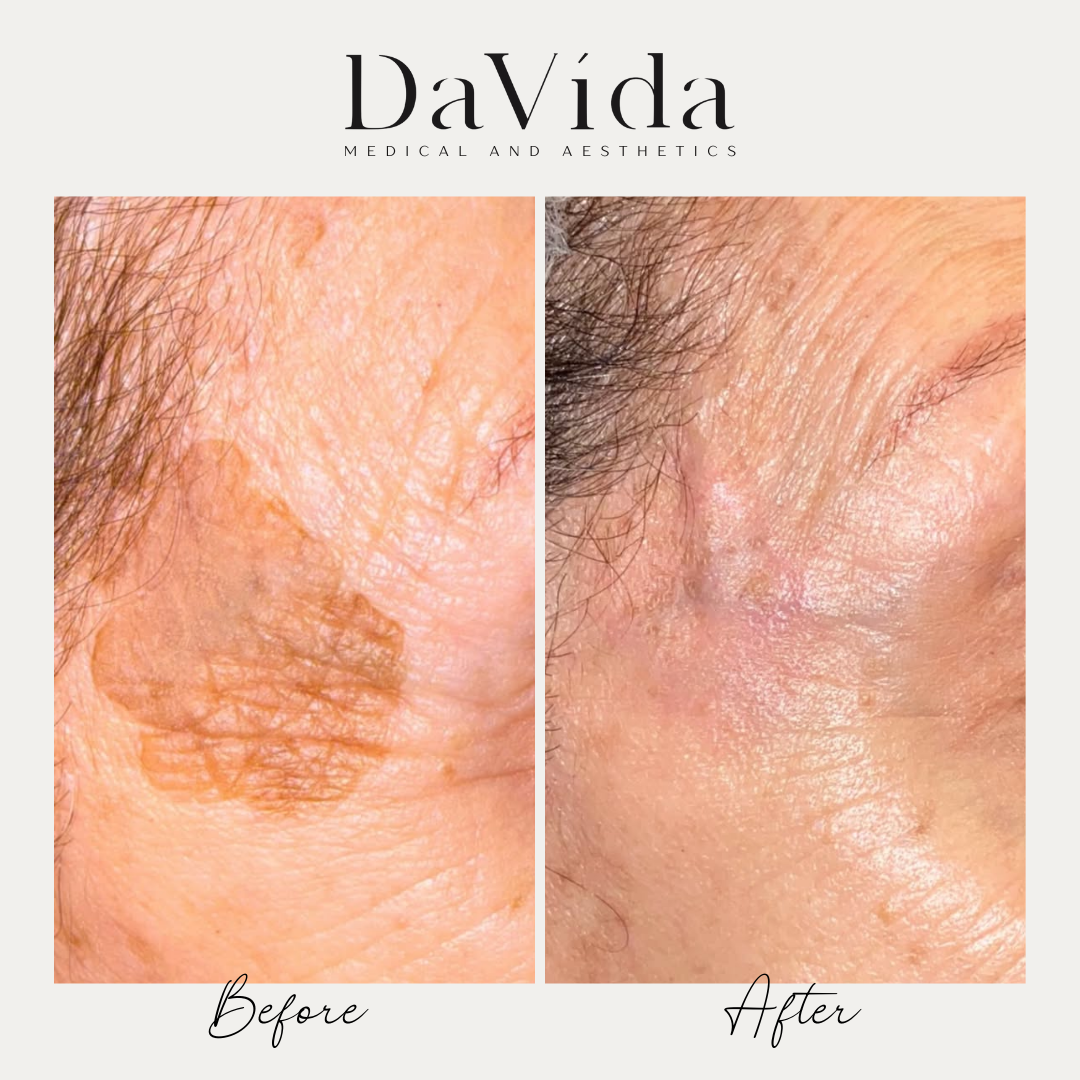
4 Treatments of IPL Results
Erbium Laser for Hyperpigmentation
Best for: Stubborn pigment, melasma, deep discoloration
Minimum sessions: 2 sessions
Average cost: $700–$1,200
Downtime: 3–7 days
Erbium laser resurfacing removes top layers of pigmented skin and boosts collagen production simultaneously. This creates smoother, clearer, brighter skin. While stronger than IPL, erbium is safe, precise, and especially effective for stubborn, long-standing hyperpigmentation.
A Proper Medical-Grade Skincare Routine for Hyperpigmentation
Medical-grade skincare works better for pigmentation because it contains proven brightening ingredients—like botanical lighteners, retinoids, and niacinamide—at concentrations not found in drugstore products. They also penetrate deeper, targeting pigment at its source.
Recommended Daily Routine
AM Routine
-
Cleanser:DaVida Skin Foaming Cleanser
Gently exfoliates without stripping essential moisture. -
Serum:Epionce Melanolyte Tx
Clinically shown to fade dark spots, especially when paired with the Melanolyte Serum. -
Moisturizer:Alastin Ultra Light Moisturizer
Lightweight hydration suitable for all skin types. -
Sunscreen:Alastin Hydratint Sunscreen
Broad-spectrum SPF with a sheer tint to help even tone and prevent spots from darkening.
PM Routine
-
Cleanser:DaVida Skin Foaming Cleanser
Preps the skin by gently removing impurities and buildup. -
Serum:Epionce Melanolyte Serum
Works synergistically with the AM Melanolyte Tx to target pigment at multiple levels. -
Moisturizer:Alastin Ultra Light Moisturizer
Locks in moisture without feeling heavy, supporting a healthy skin barrier.
Key Takeaways
Understanding hyperpigmentation vs acne scars is the first step toward choosing the correct treatment—and achieving real, noticeable improvement. Hyperpigmentation is a surface-level discoloration that responds to brightening skincare, IPL, and resurfacing lasers. Acne scars, on the other hand, are structural changes that require collagen-stimulating treatments like microneedling or erbium resurfacing.
Whether your main concern is discoloration, texture, or both, DaVida Medical & Aesthetics offers customized treatment plans backed by medical-grade skincare and evidence-based procedures. With the right combination of treatments and consistency, clear, smooth, even-toned skin is absolutely achievable.
Book with Us
Ready to start your aesthetics journey? Book your appointment with the best medical spa in San Antonio
Related Posts
Microneedling vs Vampire Facial: Which Treatment Is Right for Your Skin?
Microneedling vs Vampire Facial If you’ve been researching advanced skin rejuvenation treatments, you’ve probably come…
Facial Frosting: What It Is, Why It Happens, and What It Means for Your Skin
Facial Frosting If you’ve ever watched a chemical peel being performed—or seen photos taken mid-treatment—you…
Microdermabrasion vs Dermaplaning: Which Is Right for Your Skin?
Microdermabrasion vs Dermaplaning If you’re looking for smoother texture, brighter tone, and that fresh, polished…