
PRF vs PRP Under Eyes: Which Is Better for Dark Circles and Hollowing?
PRF vs PRP Under Eyes
The under-eye area is one of the first places to show fatigue, aging, and volume changes. Because the skin here is thin and delicate, even small shifts—like collagen loss, fluid changes, or genetics—can create visible dark circles, hollowing, and a “tired” look that concealer can’t fully fix. That’s why regenerative treatments have become so popular for this area: they work with your body to improve skin quality from the inside out.
If you’ve been researching natural options, you’ve likely seen prf vs prp under eyes come up again and again. Both PRP and PRF use your own blood-derived growth factors to support collagen, improve texture, and brighten the under-eye region. However, they are not the same treatment—and the differences matter, especially when you’re treating an area as sensitive and nuanced as the under eyes.
In this guide, we’ll break down prf vs prp under eyes in a clear, patient-friendly way: what each one is, how they’re processed, what results you can realistically expect, and why many providers prefer PRF for under-eye rejuvenation—especially because it tends to be more concentrated and longer-acting.
Why the Under-Eye Area Is So Tricky to Treat
Before comparing prf vs prp under eyes, it helps to understand what makes this area uniquely challenging. Under-eye concerns usually aren’t caused by just one issue—they’re often a mix of skin thickness, pigmentation, blood vessels, and structural support.
- Thin skin: The under-eye area has less collagen and fewer oil glands, so it creases and dehydrates easily.
- Visible vessels: Because the skin is thin, blood vessels can show through as a blue, purple, or shadowed tone.
- Volume loss: As facial structure changes, hollowing can create darkness from shadowing—not pigment.
- Texture changes: Fine lines and crepey skin can develop from collagen decline and repeated facial movement.
This is also why a “one-size-fits-all” approach doesn’t work. Some people need collagen support. Others need volume correction, pigment management, or a combination plan. Platelet-based therapies are popular because they’re designed to improve skin quality rather than simply covering the problem.
What Is PRP?
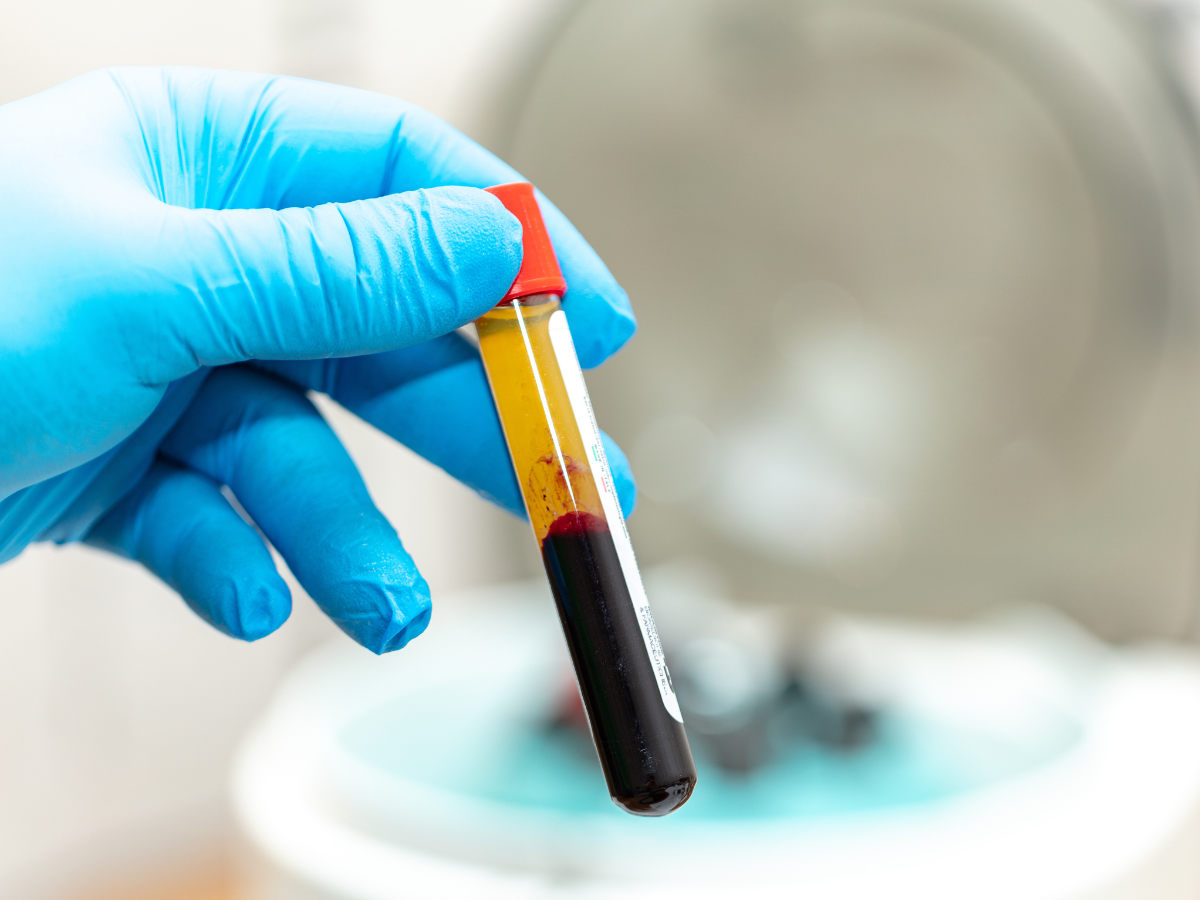
PRP stands for Platelet-Rich Plasma. It’s created by drawing a small amount of your blood and placing it into a centrifuge (a spinning device) to separate components. The provider collects the plasma layer that contains concentrated platelets, which are rich in growth factors.
Those growth factors act as signals that encourage your skin to repair and regenerate. When used under the eyes, PRP can support collagen production, improve texture, and help the area look brighter and smoother over time.
Common Benefits of PRP Under Eyes
- Softens crepey texture: Encourages collagen for a smoother appearance.
- Brightens mild darkness: Can improve the look of shadowing or dull tone over time.
- Supports skin quality: Helps the under-eye area look healthier and more hydrated.
- Uses your own growth factors: A natural option for patients wanting a regenerative approach.
PRP can be a great starting option for mild concerns. That said, when patients compare prf vs prp under eyes, PRP is often viewed as the earlier-generation version—effective, but not as robust as PRF.
What Is PRF?
PRF stands for Platelet-Rich Fibrin. Like PRP, it comes from your own blood. The difference is in how it’s processed. PRF is typically spun at a lower speed and for a shorter duration, which helps preserve more of the blood’s regenerative components.
Many providers describe PRF as a more advanced option because it contains a richer blend of elements—often including platelets, white blood cells, and a fibrin matrix that supports a slower, steadier release of growth factors.
Why PRF Is Different
- More concentrated regenerative content: Often includes a broader mix of healing components from your blood.
- Fibrin matrix: Acts like a scaffold that can support a more gradual growth-factor release.
- Longer-acting stimulation: Designed to work over time rather than delivering a quick “burst.”
- Excellent for delicate areas: Popular for under eyes where subtle improvement is the goal.
Because of these qualities, many providers lean toward PRF when discussing prf vs prp under eyes—especially for patients who want stronger collagen support and more noticeable improvement in skin quality.
PRF vs PRP Under Eyes: The Key Differences
Here’s the simplest way to understand prf vs prp under eyes: both are regenerative, but PRF is typically more concentrated and longer-acting. With PRF, you tend to get more of your body’s own beneficial blood components in the final product—meaning more regenerative potential delivered to the treatment area.
Another major difference is how growth factors are released. PRP often releases growth factors more quickly after treatment, while PRF’s fibrin structure can support a slower, more sustained release. That sustained release is part of what makes PRF feel like a “stronger” option for collagen-building over time.
Quick Comparison: PRF vs PRP Under Eyes
- PRP: Platelet-rich plasma, generally faster-acting signal, great for mild texture and tone support.
- PRF: Platelet-rich fibrin, typically more concentrated and longer-releasing, often preferred for under-eye rejuvenation.
- Timeline: Both build gradually, but PRF may provide a more robust collagen-building experience for many patients.
- Goal: Both improve skin quality; PRF is often chosen when you want the “stronger” regenerative option.
If you’re choosing between prf vs prp under eyes, this is the biggest takeaway: PRF is frequently considered the better option because it’s more concentrated—meaning you’re getting more of your own regenerative components, delivered in a way that can stimulate longer-term improvement.
What Concerns Can These Treatments Improve?
Both PRP and PRF can help improve the look of the under-eye area, but they work best for specific types of concerns. Regenerative treatments are most effective when the goal is to enhance skin quality and collagen support—not to create dramatic volume overnight.
- Dark circles from thin skin: Supporting collagen can make vessels less noticeable over time.
- Crepey texture: Collagen stimulation can improve the “paper thin” look.
- Early hollowing: PRF can provide subtle support and improvement without looking puffy.
- Overall tired appearance: Many patients look more refreshed as skin quality improves.
If your under-eye darkness is primarily from significant hollowness or structural shadowing, you may need a different or combined approach. A consultation helps determine whether regenerative injections, filler, skincare, or lasers are the best fit.
What to Expect During Treatment
A PRP or PRF appointment typically begins with a simple blood draw. Your provider then processes your blood in a centrifuge and prepares the regenerative portion for treatment. The product is carefully placed in the under-eye area using a technique chosen for your anatomy and comfort.
The procedure is generally quick, and most patients return to normal activities the same day. Because the under-eye area is sensitive, mild swelling and bruising can happen. These effects are usually temporary.
Typical After Effects
- Light swelling for 24–72 hours
- Possible bruising (varies by person)
- Mild tenderness at injection sites
- Gradual improvement over several weeks
Most importantly, results are not instant. This is a collagen-building process, and improvements develop gradually—often becoming more noticeable over the weeks that follow.
How Many Sessions Do You Need?
When comparing prf vs prp under eyes, both treatments typically work best as a series. A common recommendation is 2–3 sessions spaced about 4–6 weeks apart. This spacing allows your body to respond, build collagen, and continue improving after each treatment.
Some patients do best with maintenance once or twice per year, especially if under-eye concerns are driven by collagen decline and skin thinning over time. Your ideal plan depends on your starting point, goals, and how your body responds.
PRF vs PRP Under Eyes: Which One Is Better?
While both options can be beneficial, many providers consider PRF the better choice for under-eye rejuvenation because it’s typically more concentrated. In other words, PRF often delivers more of your own blood’s regenerative components, and it may provide a longer-lasting growth-factor release that supports ongoing collagen stimulation.
That’s exactly why “PRF” is increasingly becoming the go-to recommendation when patients ask about prf vs prp under eyes. If your goal is stronger collagen support, improved skin thickness, and more noticeable improvement in under-eye quality, PRF is often the preferred option.
However, the “best” treatment is still individualized. Skin type, anatomy, goals, and medical history all matter. A consultation ensures you’re choosing a treatment plan that’s safe, effective, and aligned with the results you want.
Book a Consultation
Curious whether PRF or PRP is right for your under-eye goals? Schedule a consultation at DaVida Medical & Aesthetics and let our providers build a personalized plan for brighter, smoother, more refreshed-looking eyes.
Related Posts

Sculptra Pros and Cons: Is Sculptra Worth It for Facial Rejuvenation?
Sculptra Pros and Cons If you want facial rejuvenation that looks natural, builds gradually, and…

10 Daxxify Benefits: Why This Longer-Lasting Injectable Is Becoming the New Gold Standard
Daxxify Benefits If you’ve been considering wrinkle relaxers but want something cleaner, longer-lasting, and more…
10 PRF Benefits: Why Platelet-Rich Fibrin Is the Future of Natural Skin Rejuvenation
PRF Benefits If you’re looking for a natural, effective, and long-lasting way to rejuvenate your…