
What Causes Skin Tags? Triggers, Risk Factors, and Safe Removal
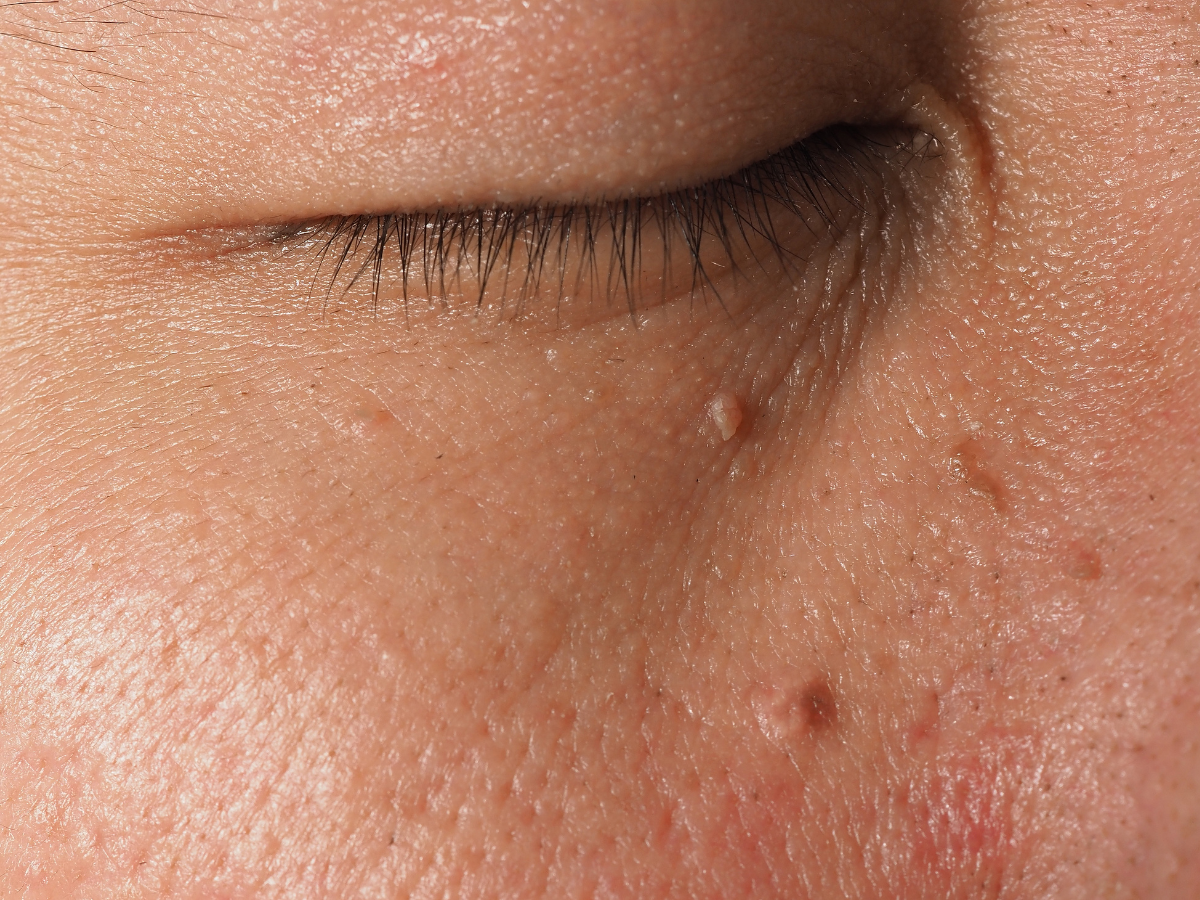
what causes skin tags
If you’ve ever noticed a small, soft bump in the mirror and wondered what causes skin tags, you’re not alone. These harmless little growths are one of the most common skin concerns adults bring to a dermatology or med spa appointment. The good news? They’re benign, predictable, and very easy to treat.
Still, most people aren’t sure where skin tags actually come from, who’s most likely to get them, or whether they can be prevented. Below, we’ll walk through exactly what causes skin tags, the biggest risk factors behind them, and your safest options for professional removal.
What Are Skin Tags? Understanding What Causes Skin Tags
Skin tags (medically known as acrochordons) are small, soft, flesh-colored growths that hang off the skin by a thin stalk. They’re typically painless, completely benign, and most often measure just 1 to 5 millimeters — though some can grow larger over time.
Because skin tags love friction-prone areas, you’ll usually spot them on the neck, underarms, eyelids, groin, and under the breasts. As a result, many people first notice them while shaving, putting on jewelry, or wearing fitted clothing.
What Causes Skin Tags? The Most Common Triggers
Researchers haven’t pinned down a single cause for skin tags, but a handful of triggers explain why most people develop them. In most cases, what causes skin tags comes down to a mix of friction, hormones, genetics, and overall metabolic health.
Friction (Skin-on-Skin or Clothing)
Friction is the most well-documented cause. When skin rubs against skin — or against tight clothing, bras, or collars — that repeated irritation can encourage tiny outgrowths to form. This is why skin tags so often appear in body folds and high-movement areas.
Hormonal Changes
Hormonal shifts during pregnancy, puberty, or menopause can also trigger new skin tags. As a result, many women notice them appearing or multiplying during pregnancy and then slowing down after delivery.
Genetics and Family History
If your parents or siblings have skin tags, you’re more likely to develop them too. Genetics play a real role in how your skin responds to friction and hormonal change over time.
Insulin Resistance and Metabolic Factors
According to the American Academy of Dermatology, skin tags are frequently linked to insulin resistance, type 2 diabetes, and metabolic syndrome. In addition, people with higher body weight, elevated blood sugar, or PCOS often have more skin tags than the general population. While not every person with skin tags has a metabolic issue, a sudden cluster of new tags can be worth mentioning to your doctor.
Aging and Skin Changes
Skin tags become more common with age. By age 50, nearly half of adults will have at least one. Loss of collagen, slower cell turnover, and decades of friction all add up — and they explain a lot about what causes skin tags later in life.
Who Is Most Likely to Develop Skin Tags?
You’re more likely to develop skin tags if you:
- Are over the age of 40 or 50
- Are pregnant, especially in the second or third trimester
- Have a family history of skin tags
- Carry extra weight around the neck, underarms, or trunk
- Live with type 2 diabetes, insulin resistance, or PCOS
- Have skin that experiences frequent friction (athletes, busy parents, hot or humid climates)
Although none of these factors guarantee skin tags will form, they meaningfully raise the odds. In other words, the more risk factors you have, the more likely you are to notice new growths over time.
Can You Prevent Skin Tags?
There’s no way to fully prevent skin tags — but you can absolutely lower your risk. Because friction and metabolic health are two of the biggest drivers behind what causes skin tags, small daily habits can make a real difference.
Helpful prevention tips include:
- Wear breathable, well-fitted clothing to reduce friction
- Keep skin clean and dry in folds, especially the neck and underarms
- Maintain a healthy weight to limit skin-on-skin rubbing
- Manage blood sugar and metabolic health with diet, movement, and regular check-ins with your doctor
- Avoid jewelry or accessories that consistently rub the same spot
Still, even the most diligent prevention plan won’t outrun genetics or hormones. So if skin tags do show up, professional removal is quick, simple, and very effective.
How Skin Tags Are Safely Removed at DaVida
At DaVida, we offer fast, in-office skin tag removal that’s safer and far more precise than anything you can try at home. Our treatment uses targeted laser technology to gently remove tags without damaging the surrounding skin. Most appointments take only a few minutes, with little to no downtime afterward.
Because every patient is different, your provider will first assess the size, location, and number of skin tags during a quick consultation. Then we’ll recommend the most comfortable, effective approach for your skin and your goals.
Most importantly, professional removal eliminates the risk of scarring, infection, or bleeding that often comes with DIY methods like cutting, tying off, or using over-the-counter freezing kits.
Frequently Asked Questions
Are skin tags harmful or cancerous?
No. Skin tags are benign growths and do not turn into cancer. However, if a growth changes color, bleeds, grows quickly, or simply looks unusual, see a provider to rule out other skin conditions.
Do skin tags go away on their own?
Rarely. Most skin tags stay put unless they’re twisted, cut, or removed by a professional. Occasionally, a tag will fall off after losing its blood supply, but you really shouldn’t count on it. Professional removal is the most reliable option.
Should you cut off a skin tag at home?
No — and this is one of the most important takeaways here. DIY removal can lead to bleeding, infection, and lasting scars. In-office removal, by contrast, is fast, sterile, and significantly safer.
Does skin tag removal leave a scar?
When performed by a trained provider, skin tag removal rarely leaves a noticeable mark. Laser and precision tools allow us to target the tag itself without damaging surrounding skin. As a result, most patients heal cleanly within a few weeks.
Can skin tags come back after removal?
The tag we remove won’t grow back. However, if the underlying causes — friction, hormones, genetics, or metabolic factors — are still present, new tags can form in nearby areas over time. That’s normal, and they’re easy to treat at follow-up visits.
How much does professional skin tag removal cost?
Cost depends on the number, size, and location of the tags being treated. During your consultation at DaVida, we’ll give you a clear quote so you know exactly what to expect before treatment begins.
Book with Us
Ready to feel confident in your skin again? Book your appointment with the best medical spa in San Antonio and let’s take care of those skin tags safely, gently, and beautifully.
Related Posts

B12 and Lipotropic Injections: Benefits & What to Know
b12 and lipotropic injections If you've been feeling sluggish, hitting a plateau in your wellness…

How Long Does Semaglutide Take to Work? A Real Timeline
how long does semaglutide take to work If you're starting a medical weight loss program,…

How to Get the Best Results from Semaglutide for Weight Loss
how to get the best results from semaglutide Semaglutide has quickly become one of the…