
Cystic Acne: What Causes It and How to Treat It
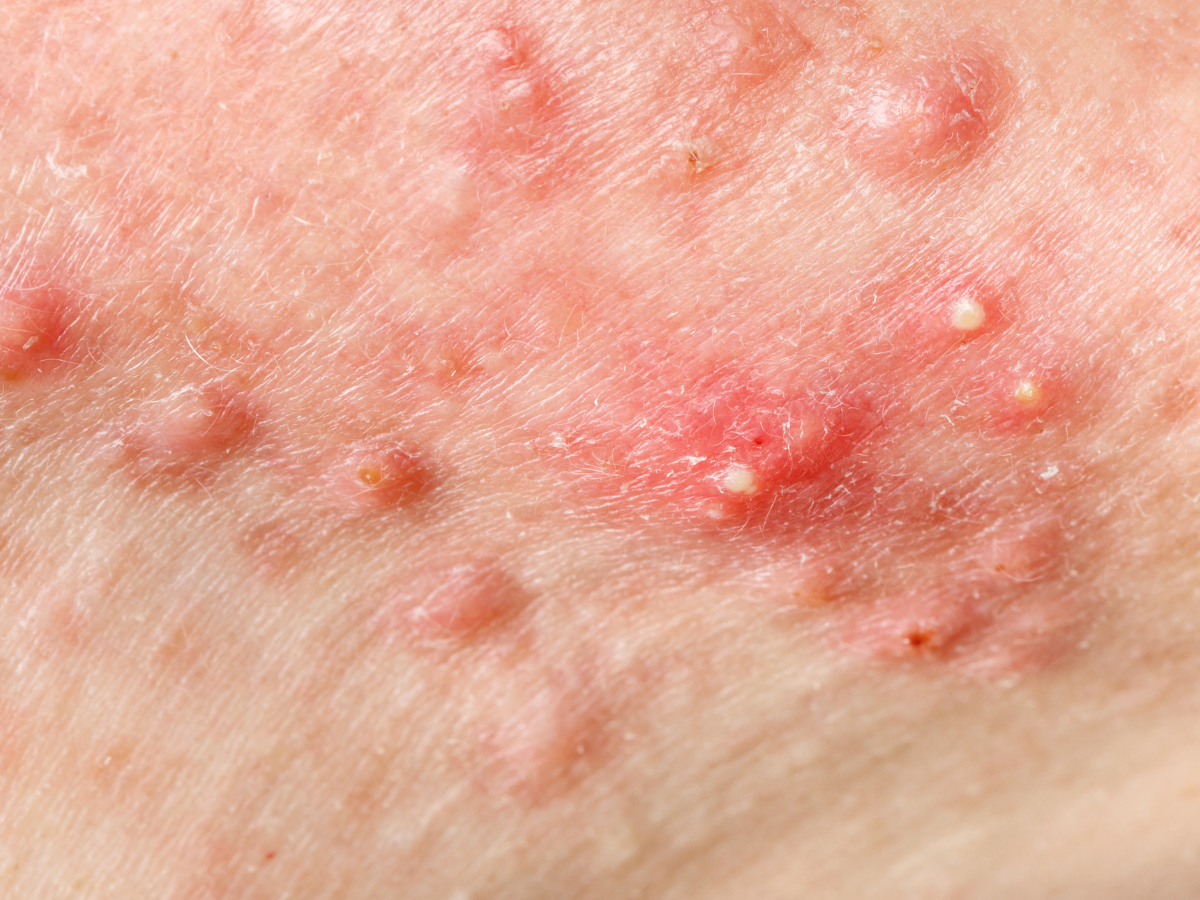
cystic acne
Cystic acne is the deepest, most stubborn form of breakout—the painful, under-the-skin bumps that never seem to come to a head and can linger for weeks. If drugstore washes and spot treatments haven’t helped, you’re not doing anything wrong; cystic acne simply needs a different approach. Here’s what causes it, why it behaves the way it does, and the treatments and daily habits that genuinely help calm it down.
What Is Cystic Acne?
Cystic acne is a severe type of inflammatory acne that forms deep within the skin. When a pore becomes clogged with oil, dead skin cells, and bacteria, the blockage can rupture below the surface. Your body responds with intense inflammation, creating large, tender cysts and nodules rather than the small whiteheads or blackheads you’d see with milder acne.
Because the inflammation sits deep, cystic acne is more likely to leave scars and dark marks—which is why early, consistent treatment matters so much. It’s also one of the acne types most closely tied to hormones, so it often shows up along the jawline, chin, and lower cheeks.
What Cystic Acne Looks and Feels Like
Cystic acne is easy to distinguish from everyday breakouts once you know the signs.
Common Signs
- Deep, painful bumps: tender to the touch and often without a visible head
- Large and inflamed: red, swollen cysts or firm nodules under the skin
- Slow to heal: lesions can last for weeks and recur in the same spots
- Jawline and chin focus: especially common along the lower face and neck
- Scarring: a higher risk of pitted scars and lingering dark marks
What Causes Cystic Acne?
Cystic acne is usually the result of several factors working together rather than one single cause.
1) Hormones
Hormonal fluctuations—during puberty, menstrual cycles, pregnancy, or times of stress—increase oil production and are a leading driver of cystic breakouts, especially along the lower face.
2) Genetics
If your parents had severe acne, you’re more likely to as well. Genetics influence how reactive your skin is and how quickly pores clog.
3) Bacteria and Clogged Pores
Excess oil and dead skin trap acne-causing bacteria deep in the pore. When that pore ruptures beneath the surface, the result is the deep inflammation that defines a cyst.
4) Lifestyle Triggers
Stress, lack of sleep, certain skincare or makeup that clogs pores, and—for some people—diet can all worsen breakouts. These rarely cause cystic acne alone, but they can tip already-reactive skin over the edge.
Why You Shouldn’t Pop Cystic Acne
Hands Off
Cysts sit too deep to squeeze, and picking pushes bacteria further into the skin—prolonging the breakout and dramatically raising your risk of permanent scarring. If a cyst is especially large or painful, a provider can treat it safely, sometimes with a quick cortisone injection to calm it within a day or two.
How to Treat Cystic Acne
Cystic acne responds best to a combination of consistent home care and professional treatment.
At-home care
Gentle, consistent use of ingredients like salicylic acid, benzoyl peroxide, and retinoids helps keep pores clear and calm inflammation. Resist the urge to over-scrub or use harsh products—stripping the skin only triggers more oil. Our guide on benzoyl peroxide explains how this staple ingredient works.
In-office treatments
A professional acne treatment plan can include medical-grade chemical peels to clear pores and fade marks, extractions, and prescription options for stubborn cases. For acne scarring left behind, treatments like microneedling can help—see our take on microneedling for acne.
A Daily Routine for Acne-Prone Skin
Consistency is everything with cystic acne. This gentle-but-effective routine keeps pores clear without stripping your skin. Every product below is available at our skin shop, DaVida Skin.
Recommended Acne Routine
AM Routine
- Cleanser: Purifying Foaming Cleanser — a salicylic wash that clears oil and unclogs pores.
- Clarify: Acne Pads (Glycolic + Salicylic) — swipe to exfoliate and keep pores clear.
- Moisturizer: Ultra Light Moisturizer — oil-free hydration that won’t clog.
- Sunscreen: EltaMD UV Clear SPF 46 — oil-free with niacinamide to calm redness.
PM Routine
- Cleanser: Purifying Foaming Cleanser — remove the day’s oil, sunscreen, and makeup.
- Spot treat: Purifying Spot Gel — sulfur spot treatment for active cysts.
- Retinol: Renewal Retinol 0.25 — speeds cell turnover to keep pores clear (start slow).
- Moisturizer: Ultra Light Moisturizer — seals in the routine without heaviness.
Introduce actives slowly. Start retinol 2–3 nights a week, and if you’re pregnant or nursing, skip retinoids and check with your provider first.
Preventing Breakouts and Scarring
Once your skin calms down, prevention keeps it that way. Stick to your routine even when your skin is clear, choose non-comedogenic makeup and skincare, change pillowcases regularly, and manage stress and sleep where you can. Most importantly, treat cysts early and never pick—protecting your skin now is what prevents scars later.
When to See a Professional
If your cystic acne is painful, widespread, leaving scars, or not improving with over-the-counter products, it’s time to see a professional. Cystic acne is treatable—but it usually needs a medical-grade plan tailored to your skin. The sooner you start, the more you protect your skin from long-term marks.
Frequently Asked Questions
What is the difference between cystic acne and regular acne?
Regular acne includes surface whiteheads and blackheads, while cystic acne forms deep, painful cysts and nodules under the skin. Cystic acne is more inflamed, slower to heal, and more likely to scar.
Does cystic acne go away on its own?
Individual cysts may fade over weeks, but cystic acne tends to recur without treatment. A consistent plan is the most reliable way to control it and prevent scarring.
Can I pop a cyst if it hurts?
No. Cysts are too deep to pop, and squeezing pushes bacteria deeper and raises scarring risk. If a cyst is very painful, a provider can treat it safely in-office.
Will cystic acne leave scars?
It can, especially if picked or left untreated. Early treatment lowers the risk, and if scarring does occur, treatments like chemical peels and microneedling can help improve its appearance.
Book an Acne Consultation
Ready to get cystic acne under control? Book a consultation with the best medical spa in San Antonio for a treatment plan built for your skin.
Related Posts
How to Get Rid of Rosacea: Triggers, Skincare & Laser
how to get rid of rosacea If your cheeks flush easily, stay red, or break…
Melasma on the Face: Causes, Triggers & How to Treat It
melasma on the face If you've noticed brown or gray-brown patches creeping across your cheeks,…
What Is a Microdermabrasion Facial? Benefits, Results, and What to Expect
what is a microdermabrasion facial If you’ve ever wondered why your favorite influencer’s skin looks…