
Melasma on the Face: Causes, Triggers & How to Treat It
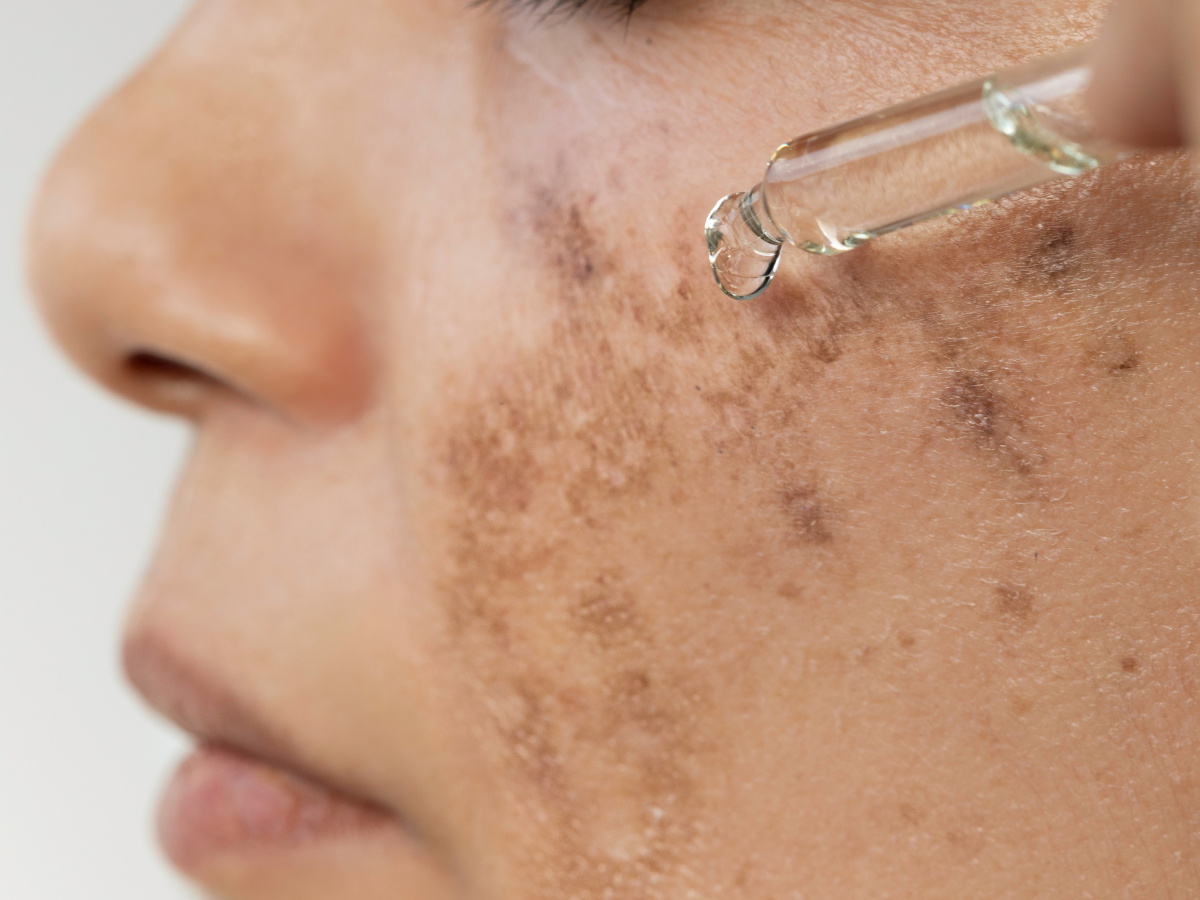
melasma on the face
If you’ve noticed brown or gray-brown patches creeping across your cheeks, upper lip, or forehead, you may be dealing with melasma on the face. It’s one of the most common—and most frustrating—pigment concerns we treat, largely because it tends to fade and flare over time rather than disappear for good. The good news is that with the right combination of sun protection, targeted skincare, and professional treatment, melasma can be managed beautifully. Here’s what causes it, how to tell it apart from other dark spots, and the treatments that genuinely make a difference.
What Is Melasma?
Melasma is a common form of hyperpigmentation that shows up as symmetrical patches of darker skin, usually on areas that get the most sun. It happens when the pigment-producing cells in your skin, called melanocytes, become overactive and release excess melanin. That extra pigment collects in the skin and forms the blotchy, uneven patches melasma is known for.
It’s far more common in women than men, and it appears more often in people with medium to deeper skin tones. While melasma isn’t harmful or contagious, it can be persistent and emotionally frustrating—which is exactly why a thoughtful, consistent plan matters so much.
What Does Melasma on the Face Look Like?
Melasma typically appears as flat, brownish patches with a fairly symmetrical pattern—meaning both sides of the face are often affected in similar spots. The borders are usually soft and irregular, and the color can range from light tan to deep brown depending on your skin tone.
Where Melasma Shows Up Most
- Cheeks: the most frequently affected area
- Upper lip: sometimes mistaken for a shadow or “mustache”
- Forehead: often across the hairline and brow area
- Bridge of the nose: blending into the cheeks
- Chin and jawline: less common, but possible
What Causes Melasma on the Face?
Melasma is usually driven by a mix of triggers rather than a single cause. Understanding yours is the first step toward keeping it under control.
1) Sun Exposure
Ultraviolet light is the single biggest trigger. Even brief, everyday exposure—walking to your car or sitting near a window—can stimulate melanocytes and darken existing patches. This is why melasma often worsens in summer and eases slightly in winter.
2) Hormonal Changes
Hormones play a major role, which is why melasma is sometimes called the “mask of pregnancy.” Pregnancy, birth control pills, and hormone therapy can all trigger or worsen it. For some, patches fade once hormones stabilize; for others, they linger.
3) Heat & Visible Light
It’s not just UV. Heat from cooking, saunas, and hot climates—plus visible light from the sun and even screens—can nudge melasma along. That’s why a sunscreen that also guards against visible light is so valuable.
4) Genetics & Skin Tone
If melasma runs in your family, you’re more likely to develop it, and naturally deeper skin tones have more active melanocytes. If this sounds like you, our approach to skin of color treatments is designed to treat pigment safely without triggering more.
Melasma vs. Other Dark Spots
Melasma is easy to confuse with other forms of pigmentation, but the treatments differ—so knowing what you’re looking at matters.
Quick Comparison
Sun spots: small, defined, individual spots where the sun hits hardest.
Post-inflammatory hyperpigmentation: appears after a breakout or injury, right where the trauma occurred.
Melasma: larger, symmetrical patches strongly tied to hormones and heat.
If you’re not sure which one you have, our guide on hyperpigmentation vs. acne scars breaks the differences down further.
How to Treat Melasma on the Face
Melasma responds best to a layered approach. There’s no overnight fix, but consistency delivers real, visible results.
Start with sun protection
Daily broad-spectrum SPF 30 or higher is non-negotiable—it’s the foundation every other treatment relies on. Tinted mineral sunscreens with iron oxides add protection against visible light, which regular sunscreens miss. Reapply through the day and add a wide-brimmed hat outdoors.
Add targeted skincare
Ingredients like vitamin C, azelaic acid, kojic acid, and prescription options such as hydroquinone and retinoids can gradually lighten patches. Because these actives are strong, professional guidance keeps them working safely. Our comparison of retinol vs. hydroquinone explains how the most popular brightening ingredients work.
Consider in-office treatments
Professionally administered chemical peels can speed results by removing pigment-heavy surface cells and encouraging fresh, even-toned skin. Each peel is customized to your skin type and melasma severity.
A Note on Lasers
Aggressive lasers can sometimes worsen melasma by overstimulating pigment. That’s why our providers favor gentle, pigment-safe approaches and build a plan around your skin rather than reaching for the strongest device.
A Simple Daily Routine for Melasma
Consistency at home is what makes professional treatment stick. This gentle, pigment-focused routine pairs brightening actives with the sun protection melasma depends on. Every product below is available at our skin shop, DaVida Skin.
Recommended Melasma Routine
AM Routine
- Cleanser: Green Tea Cleanser — a gentle wash that won’t strip or irritate sensitive, pigment-prone skin.
- Vitamin C: 20% Vitamin C Brightening Serum — an antioxidant that helps brighten and defend against daytime triggers.
- Moisturizer: Sheer Daily Moisturizer — a light, oil-free layer to keep the skin barrier calm.
- Sunscreen: HydraTint Pro Mineral SPF 36 — the most important step; the tint blocks visible light that regular sunscreens miss.
PM Routine
- Cleanser: Green Tea Cleanser — remove the day’s sunscreen, makeup, and buildup.
- Pigment corrector: MelanoLyte Pigment Perfecting Serum — targets uneven tone and stubborn patches over time.
- Retinol: Renewal Retinol 0.25 — encourages cell turnover to fade pigment (start 2–3 nights a week).
- Moisturizer: Ultra Light Moisturizer — seals in the routine without heaviness.
Pregnant or nursing? Skip retinol and prescription lighteners, and check with your provider before starting any new active.
How to Keep Melasma from Coming Back
Because melasma is chronic and relapsing, maintenance is everything. A few habits keep flares to a minimum:
Your Melasma Maintenance Checklist
- Wear sunscreen daily: every day, even indoors and in winter.
- Reapply and cover up: refresh SPF and use a hat during peak sun.
- Stay consistent with skincare: use brightening products as directed by your provider.
- Manage heat and hormones: limit sauna and hot-yoga sessions during flares.
- Don’t over-exfoliate: scrubbing or picking inflames skin and darkens patches.
When to See a Professional
If your melasma is spreading, deepening, or not responding to over-the-counter products, it’s time to bring in an expert. A professional evaluation rules out other pigment conditions and gives you a customized plan that treats melasma without triggering more pigment—the balance that makes all the difference.
Frequently Asked Questions
Does melasma go away on its own?
Sometimes. Melasma triggered by pregnancy or birth control may fade once hormones stabilize. Sun- and heat-related melasma usually needs ongoing treatment and diligent sun protection to improve.
Can melasma be cured completely?
Melasma can be dramatically lightened and controlled, but it’s considered a chronic condition that can return with sun exposure or hormonal shifts. Consistent maintenance is what keeps it from coming back.
Is melasma the same as sun spots?
No. Sun spots are small, individual dark spots from cumulative sun damage, while melasma forms larger, symmetrical patches tied to hormones and heat. They’re treated differently, so an accurate diagnosis matters.
Will my melasma get worse in the summer?
It often does, because heat and stronger UV both stimulate pigment. Daily broad-spectrum SPF, tinted mineral sunscreen, and sun-smart habits help keep summer flares to a minimum.
Book a Melasma Consultation
Ready to even out your skin tone? Book a consultation with the best medical spa in San Antonio and get a melasma plan built for your skin.
Related Posts
How to Get Rid of Rosacea: Triggers, Skincare & Laser
how to get rid of rosacea If your cheeks flush easily, stay red, or break…
Cystic Acne: What Causes It and How to Treat It
cystic acne Cystic acne is the deepest, most stubborn form of breakout—the painful, under-the-skin bumps…
What Is a Microdermabrasion Facial? Benefits, Results, and What to Expect
what is a microdermabrasion facial If you’ve ever wondered why your favorite influencer’s skin looks…