
Does Dermaplaning Cause More Facial Hair? Dermaplaning Myths Debunked

Dermaplaning Myths Debunked
If you’ve been considering dermaplaning but feel hesitant, you’re not alone. One of the most common questions patients ask is: does dermaplaning cause more facial hair? This concern has circulated online for years and often prevents people from experiencing one of the most effective skin-smoothing treatments available.
Dermaplaning is a professional exfoliation treatment designed to remove dead skin buildup and fine facial hair, revealing smoother, brighter-looking skin. In this guide, we’ll explore the real answer to does dermaplaning cause more facial hair, along with other common dermaplaning myths and what you can truly expect from treatment.
What Is Dermaplaning?
Dermaplaning is a minimally invasive exfoliation treatment performed using a sterile surgical blade to gently remove dead skin cells and fine vellus hair (often called peach fuzz). This process helps improve skin texture, enhance glow, and allow skincare products to absorb more effectively.
Because dermaplaning works only at the surface level, it does not interfere with hair follicles or hormonal hair growth patterns. Understanding how the treatment functions is key when addressing the concern does dermaplaning cause more facial hair.
Benefits of Dermaplaning
- Instantly smoother skin texture
- Brighter and more radiant complexion
- Improved makeup application
- Enhanced skincare absorption
- Reduction in superficial congestion
Does Dermaplaning Cause More Facial Hair?
Let’s address the biggest myth directly. The answer to does dermaplaning cause more facial hair is no.
Dermaplaning does not change the number of hair follicles on your face, nor does it make hair grow back thicker, darker, or faster. Hair growth is influenced by genetics, hormones, and age — not by surface exfoliation treatments.
After dermaplaning, hair may feel slightly different when it grows back because it has been cut bluntly rather than naturally tapered. This temporary sensation can create the illusion of thicker hair, which is why the question does dermaplaning cause more facial hair continues to trend.
Clinically and scientifically, however, dermaplaning does not stimulate increased hair growth.
Myth #1: Hair Grows Back Darker
Another common fear connected to does dermaplaning cause more facial hair is that hair will return darker.
Hair color is determined by melanin inside the follicle. Because dermaplaning does not impact follicle activity, it cannot alter pigment production. Any perceived darkness often results from improved skin brightness creating more contrast — not from true hair changes.
Why Skin Looks Different After Dermaplaning
- Dead skin buildup is removed
- Light reflects more evenly across the skin
- Fine hair becomes less visually noticeable
- Texture appears more refined
Myth #2: Dermaplaning Causes Stubble
Concerns about rough regrowth often go hand-in-hand with the question does dermaplaning cause more facial hair.
Facial vellus hair is naturally soft and fine. Dermaplaning does not convert it into coarse terminal hair. Professional treatments are spaced appropriately so regrowth remains minimal and skin stays smooth.
Most patients find that consistent dermaplaning actually improves how their skin feels and looks long term.
Myth #3: Dermaplaning Is Only About Hair Removal
While hair removal is a visible benefit, dermaplaning is primarily an exfoliation treatment focused on improving overall skin quality.
Patients who fixate only on does dermaplaning cause more facial hair may overlook broader advantages like enhanced glow, smoother makeup application, and improved skincare effectiveness.
Skin Improvements Patients Often Notice
- More even skin tone
- Refined texture
- Healthier luminosity
- Reduced surface dullness
- Better treatment layering results
Who Is a Good Candidate for Dermaplaning?
Dermaplaning is ideal for patients seeking gentle exfoliation without downtime. It works well for dull skin, mild pigmentation irregularities, early aging signs, and event preparation.
Patients with excessive terminal hair growth due to hormonal conditions may benefit from alternative treatments. A consultation ensures the safest and most effective plan.
Rather than focusing solely on whether does dermaplaning cause more facial hair, it’s helpful to evaluate your overall skin goals.
How Often Should You Get Dermaplaning?
Most patients benefit from treatments every 4–6 weeks, aligning with the skin’s natural renewal cycle.
Why Consistency Matters
- Supports ongoing skin clarity
- Maintains smooth texture
- Improves long-term glow
- Enhances results from other treatments
Does Dermaplaning Cause More Facial Hair: The Bottom Line
Ultimately, the concern does dermaplaning cause more facial hair is based on myth rather than medical evidence. Dermaplaning does not increase follicle activity, change hair density, or cause hair to grow back thicker.
Instead, it provides immediate exfoliation benefits, improved luminosity, and smoother skin performance. When performed professionally, dermaplaning can become an effective part of a long-term skin maintenance strategy.
Book a Consultation
Curious if dermaplaning is right for your skin? Schedule a consultation at DaVida Medical & Aesthetics and let our team create a customized glow plan.
Related Posts
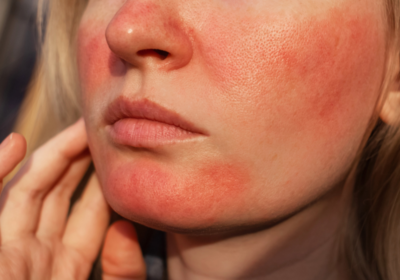
How to Get Rid of Rosacea: Triggers, Skincare & Laser
how to get rid of rosacea If your cheeks flush easily, stay red, or break…
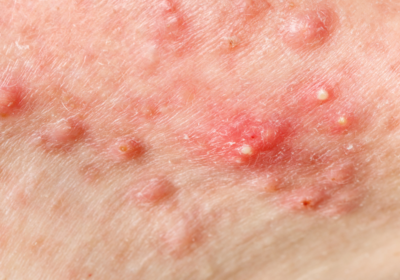
Cystic Acne: What Causes It and How to Treat It
cystic acne Cystic acne is the deepest, most stubborn form of breakout—the painful, under-the-skin bumps…
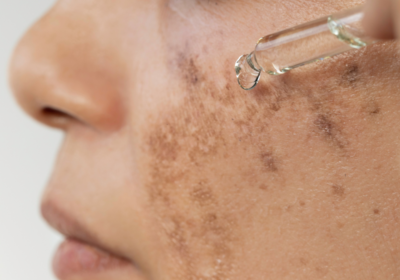
Melasma on the Face: Causes, Triggers & How to Treat It
melasma on the face If you've noticed brown or gray-brown patches creeping across your cheeks,…